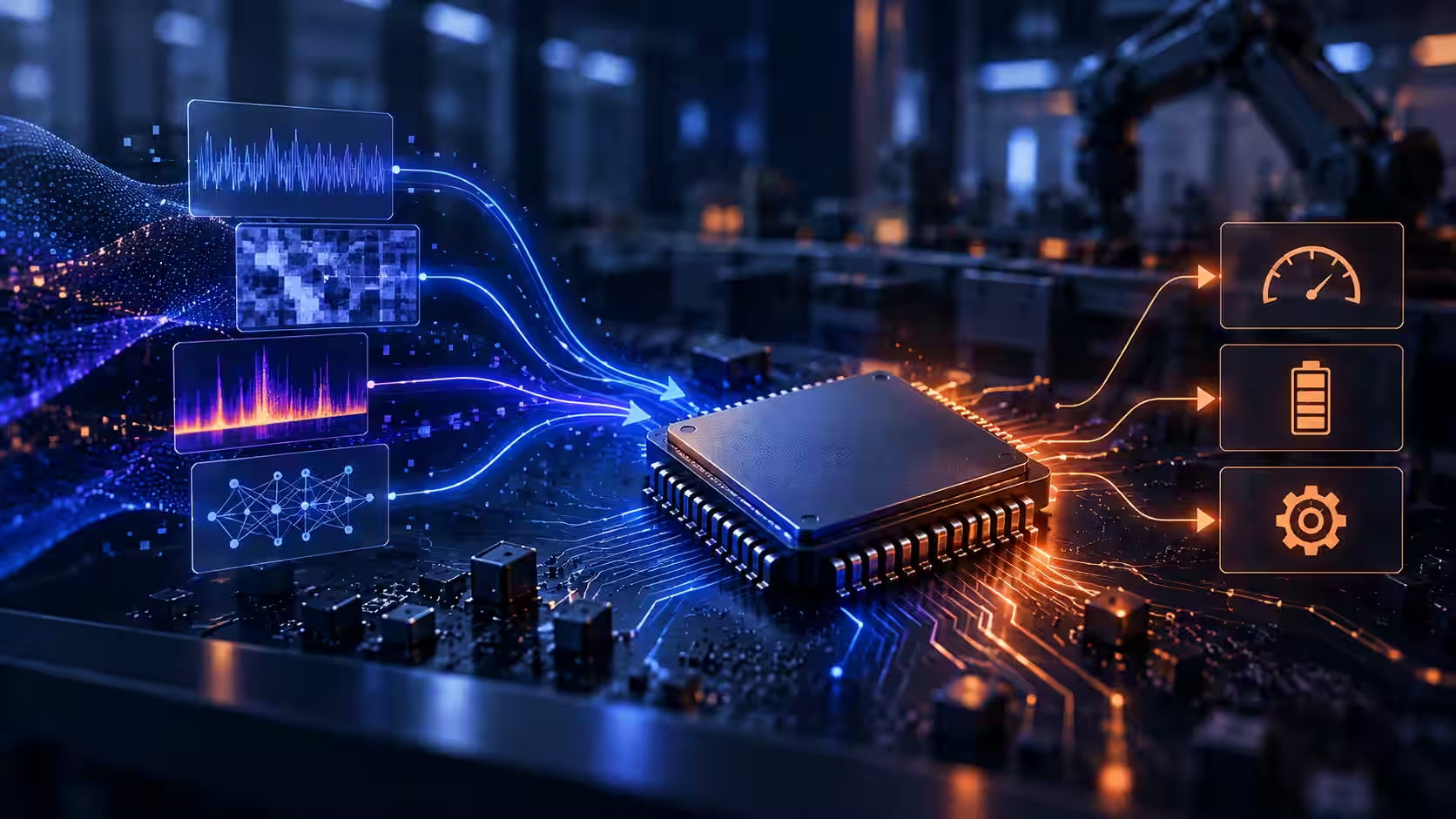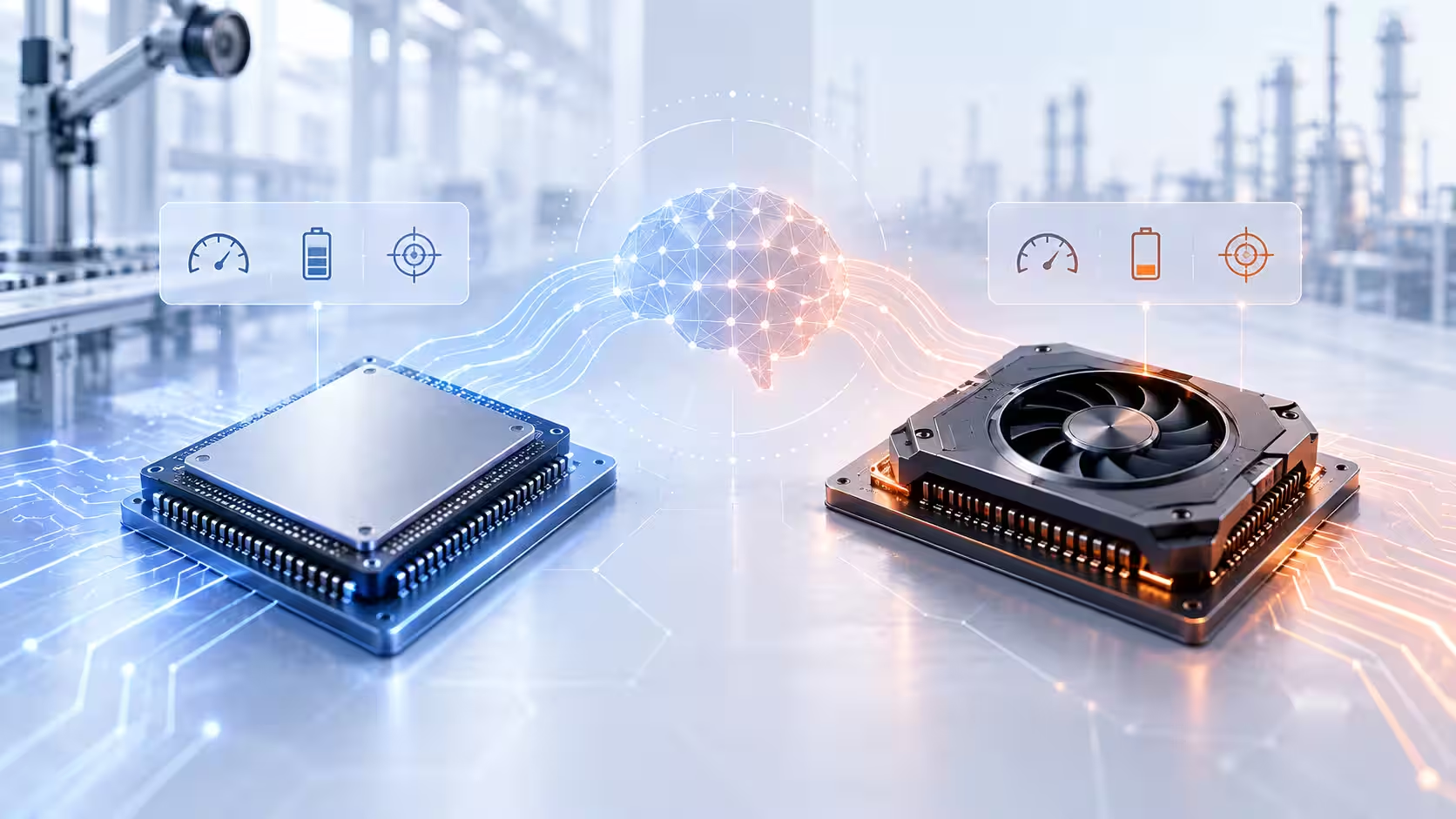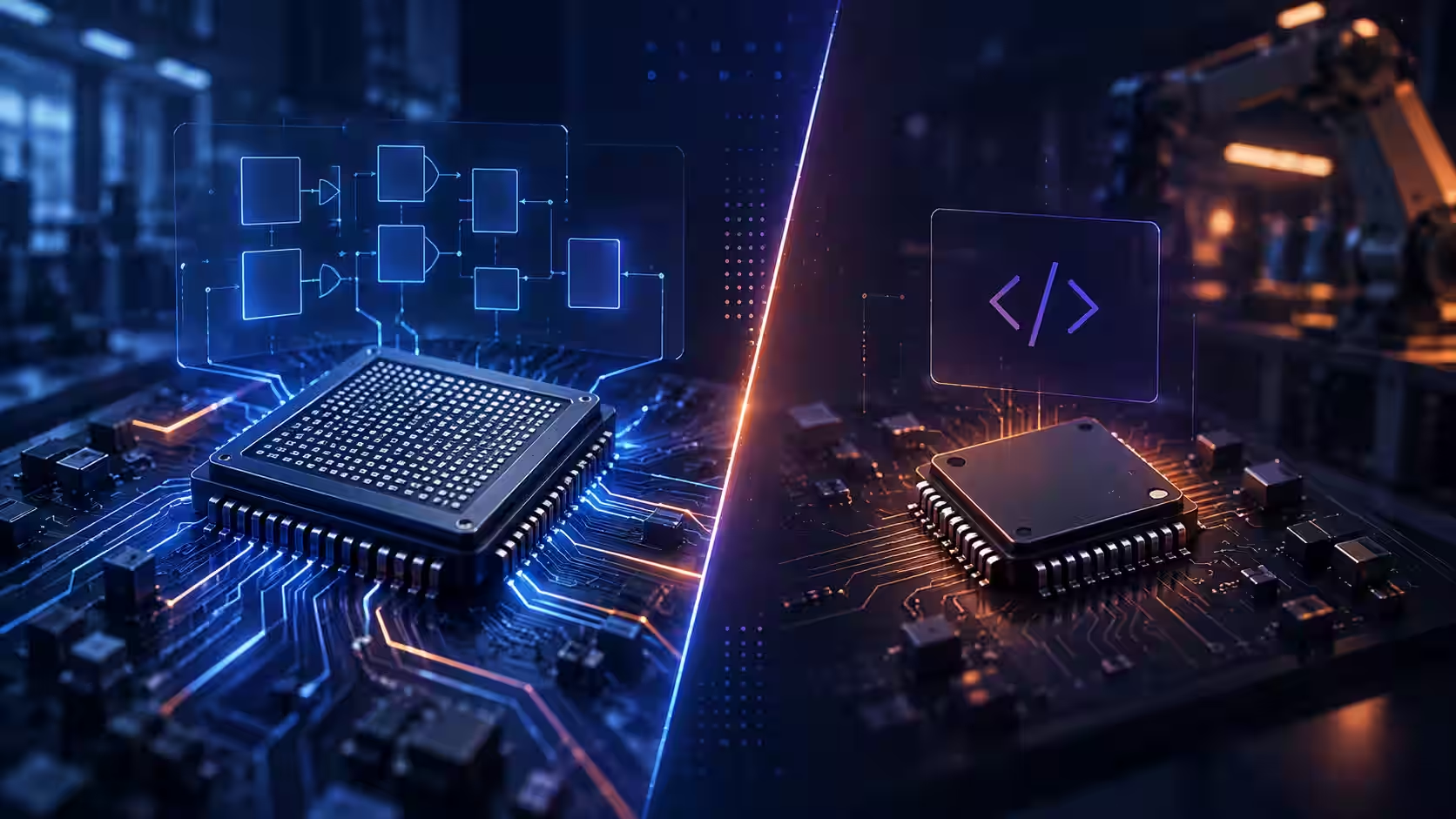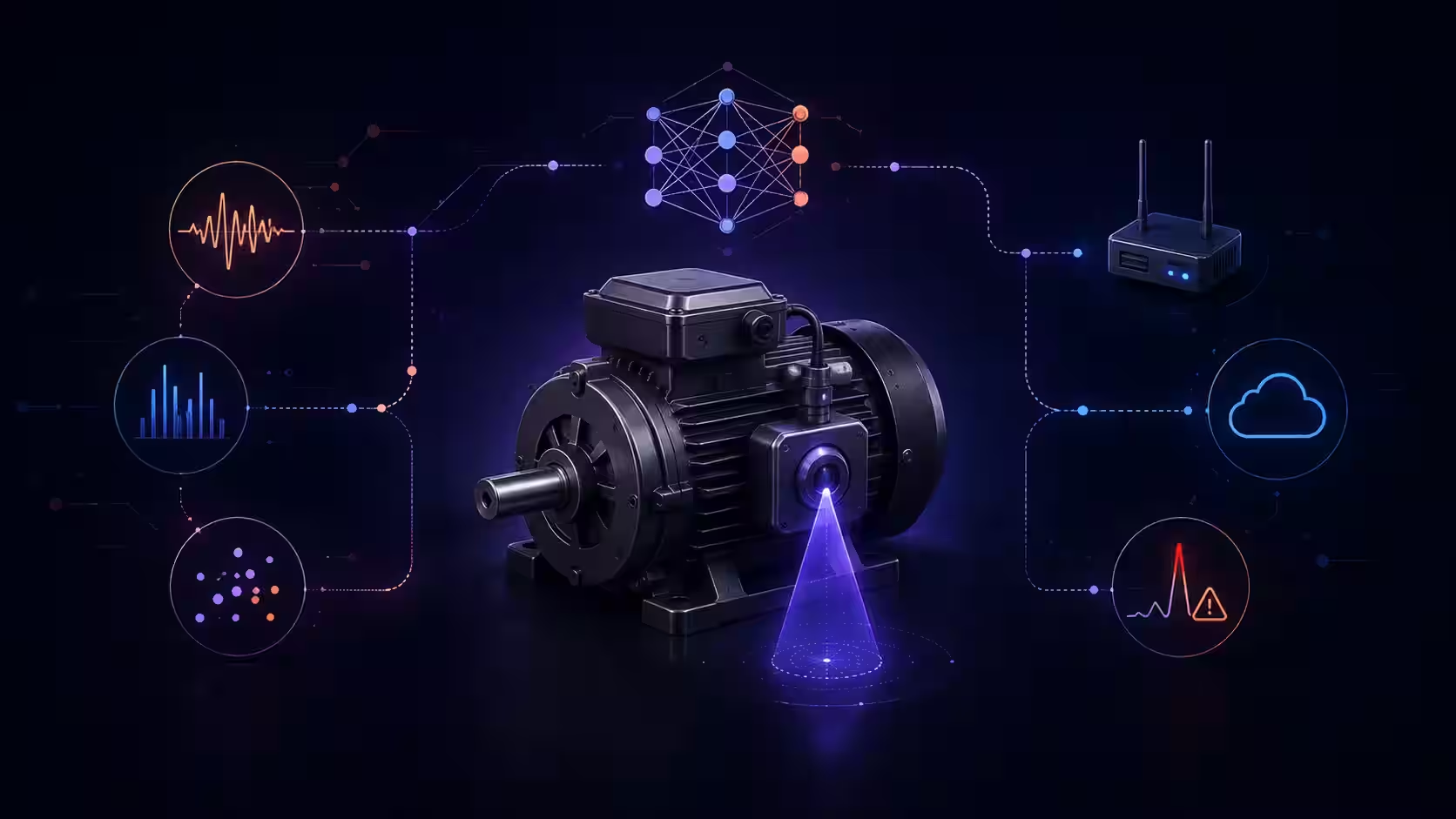
The Central Processing Unit (CPU) is the heart and brain of modern computing devices, driving the processing of data and executing instructions. In this article, we explore the significance of the CPU, its role in cryptocurrency mining, and its vital components like the Control Unit (CU), Arithmetic and Logic Unit (ALU), Memory Unit, and Resources Unit. Additionally, we delve into the distinction between hardware and software, the impact of Moore’s Law, and the CPU’s relevance beyond traditional computers, including its usage in embedded systems.
The Central Processing Unit (CPU) is a pivotal hardware component in a computer, acting as its brain. It interprets and executes instructions, performs calculations, and coordinates various tasks within the system. Without the CPU, a computer would be unable to function effectively or carry out any processing tasks. How well a CPU performs in a finished product also depends on the board around it, from power delivery to memory routing, the territory of electronics design services.
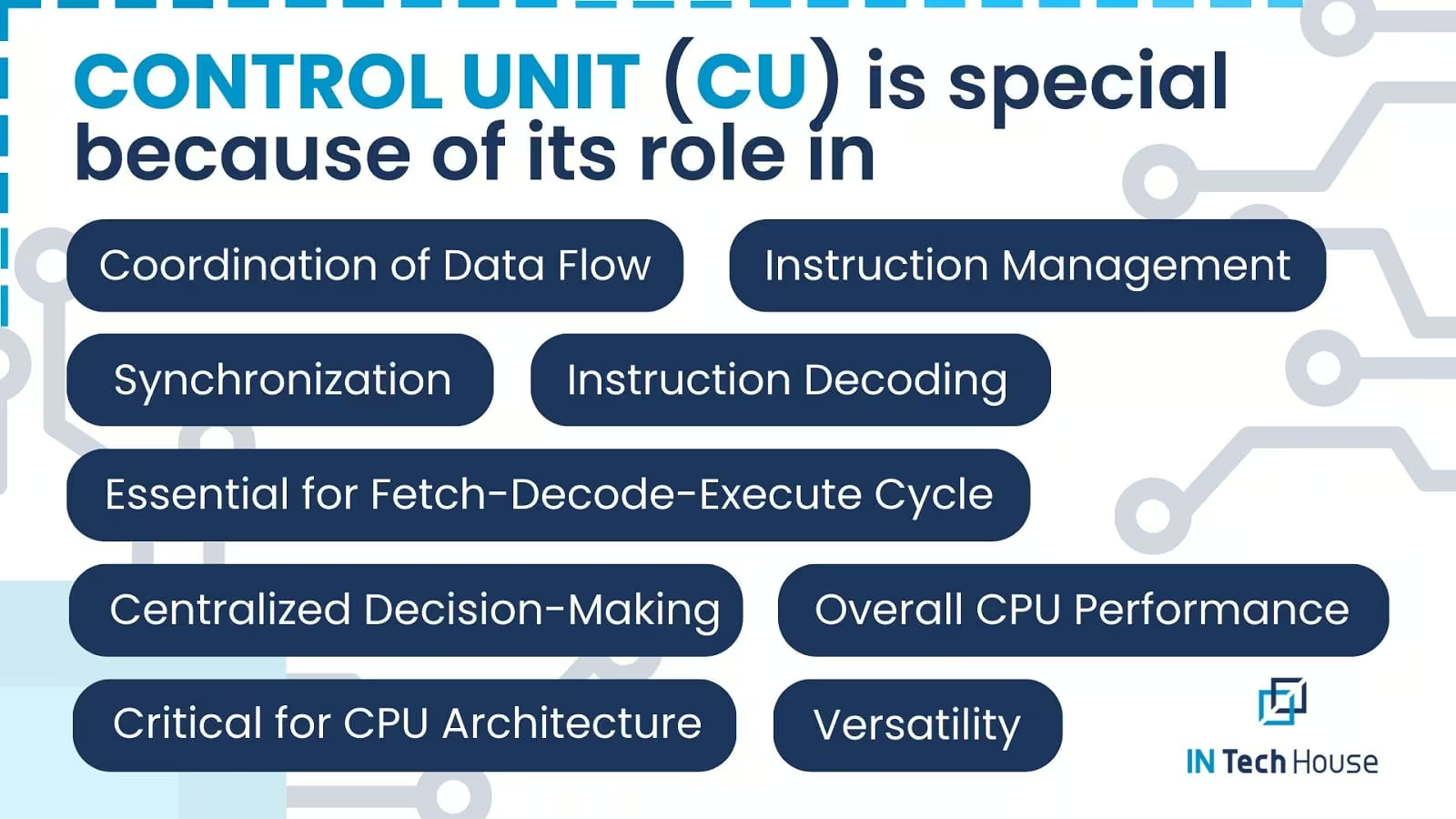
The Control Unit (CU) holds a special and critical position within the Central Processing Unit (CPU) due to its indispensable role in the execution of instructions and overall system operation. Here are the key reasons why the Control Unit is so special:
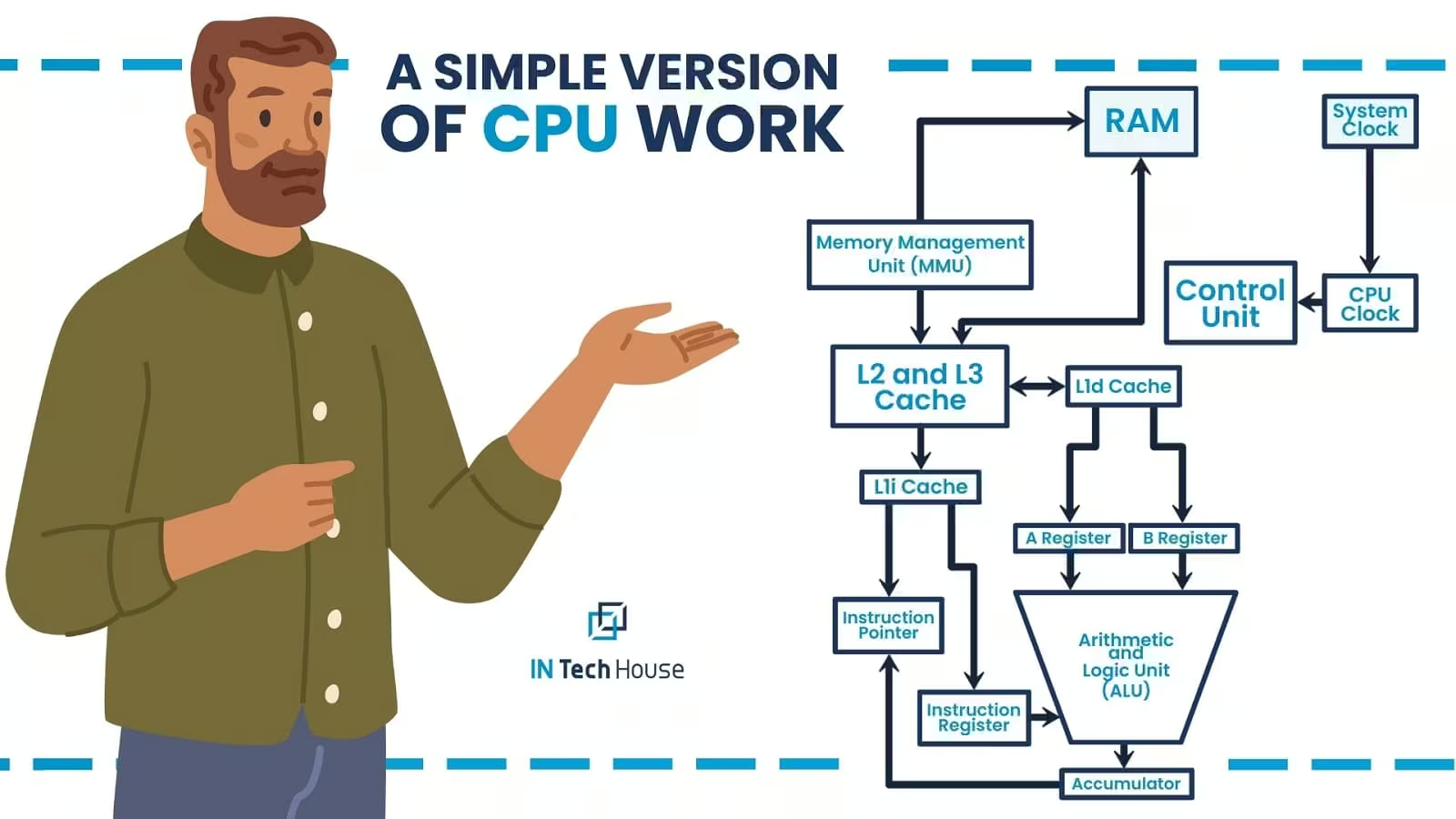
A simple version of CPU workUnderstanding how the CPU operates is essential to grasp its functioning better. In a hypothetical CPU, we can visualize its components using Figure 2. The RAM and system clock are shaded to differentiate them from the CPU, which is the core focus. While the connections between the CPU clock, control unit, and other components are not explicitly shown, it’s crucial to know that signals from the clock and control unit are vital for the smooth operation of all other CPU components.
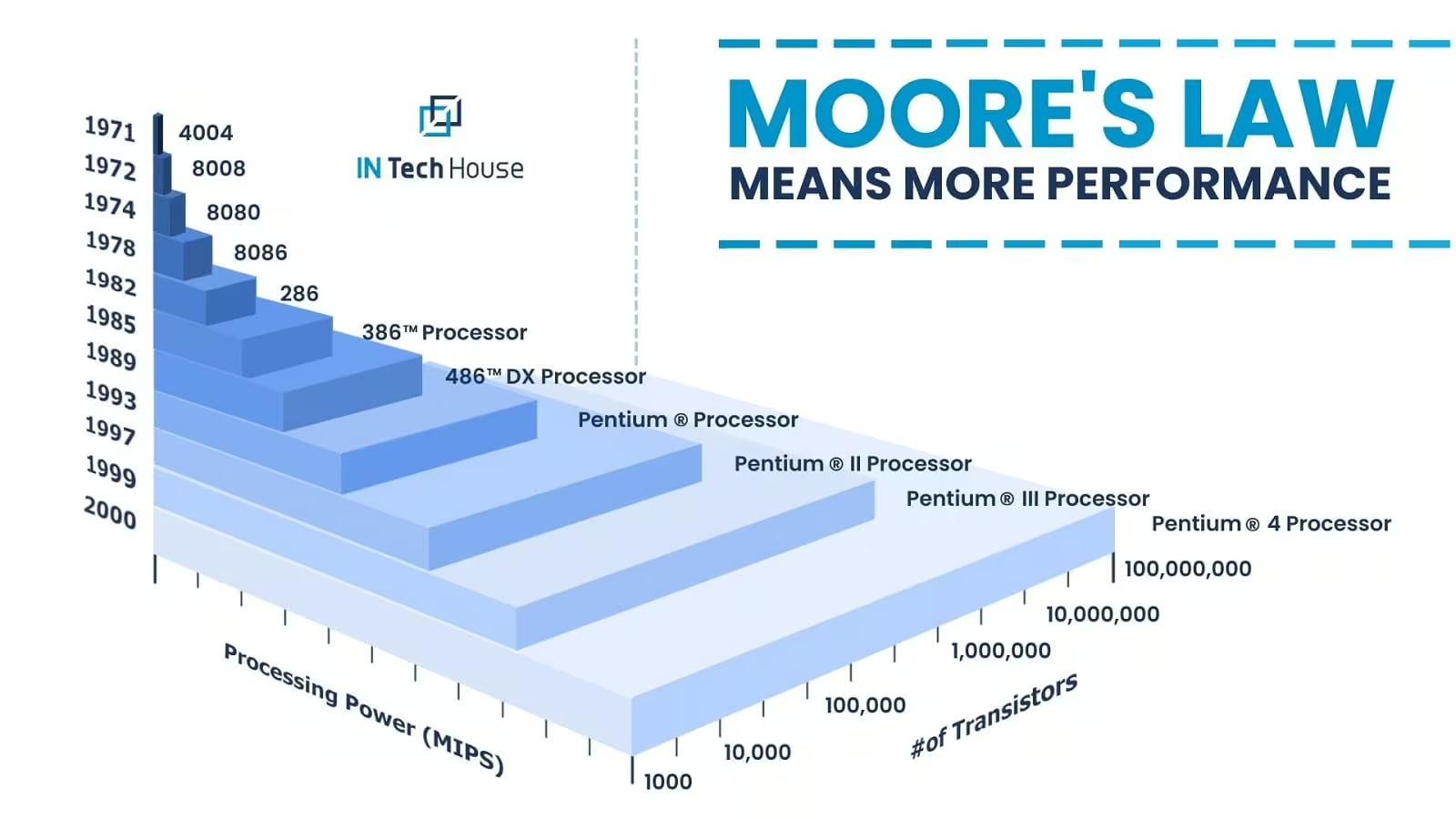
Moore’s Law, proposed by Gordon Moore in 1965, predicts that the number of transistors on integrated circuits will double approximately every two years. This observation has held true for decades and has significantly impacted CPU development. Moore’s Law has driven manufacturers to produce CPUs with increasing transistor densities, leading to more powerful and energy-efficient processors.
What does it mean? The answer is Simple - More Performance!!!
The CPU is not only used in computers but also finds applications in various other devices and systems. It serves as a crucial component in a wide range of electronic devices and embedded systems. Here are some examples of where CPUs are used besides traditional computers:
In summary, CPUs have a broad range of applications beyond computers and are a fundamental component in numerous electronic devices and embedded systems. Their versatility, processing power, and efficiency make them essential in shaping the technology landscape across various industries.
In embedded products the choice is rarely a desktop class CPU. The real decision is which microcontroller family fits the workload, the power budget and the peripheral set, and our guide to microcontroller selection for hardware projects walks through that step by step.
Picking the wrong processing core locks your product into the wrong power, thermal and cost envelope for years. Our electronics engineers size the compute around your real workload before the schematic is frozen.
Talk to our electronics engineering team
The Central Processing Unit (CPU) performs data processing in a computer through a series of steps collectively known as the Fetch-Decode-Execute cycle. Here’s how the CPU processes data:
The CPU is composed of multiple specialized units that work together to execute instructions and process data efficiently. The main units of the CPU are:
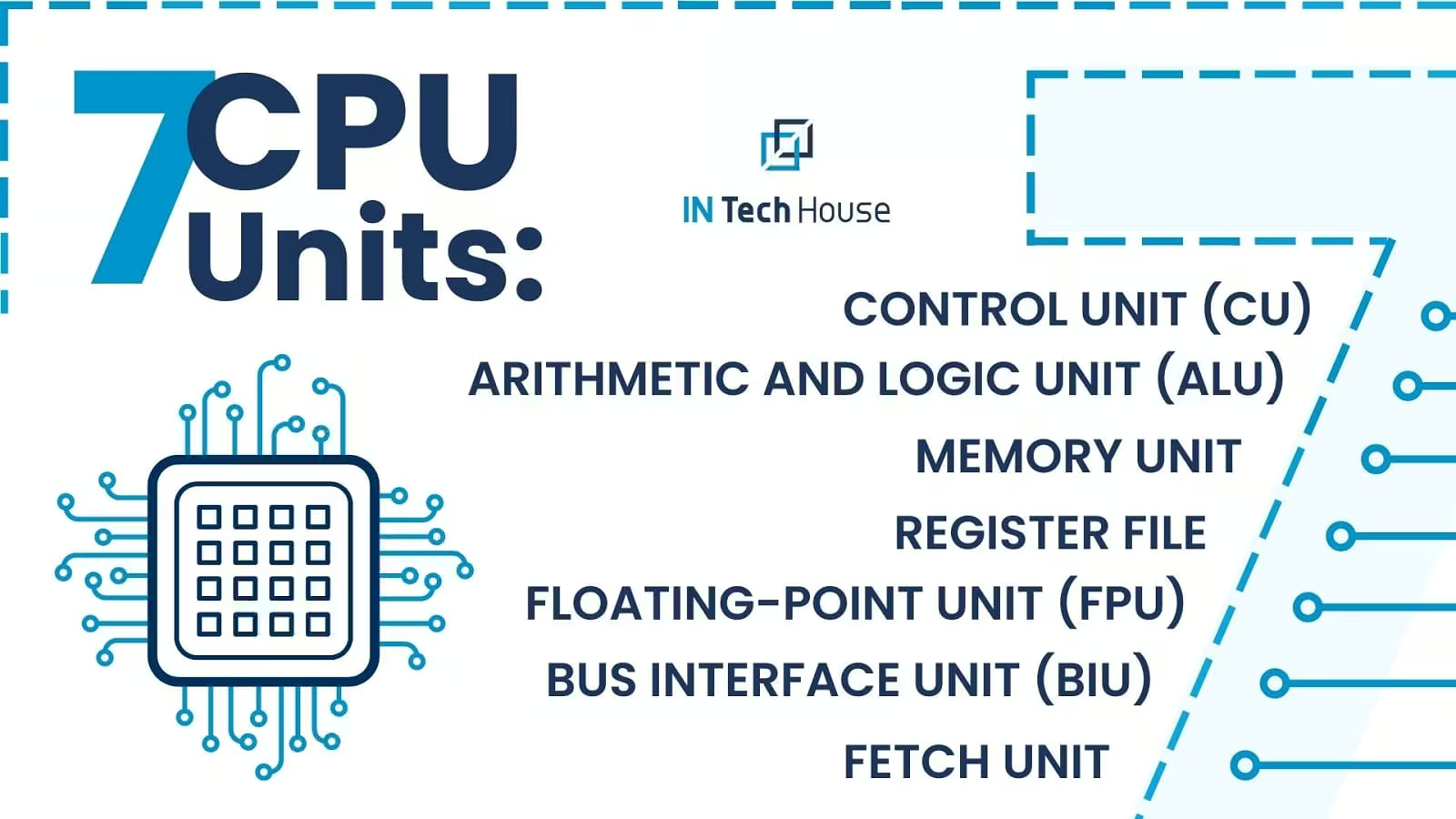
These units work together seamlessly to process data, execute instructions, and carry out various tasks, enabling the CPU to perform a wide range of computations and operations that power modern computing systems.
The CPU (Central Processing Unit) is a critical component of a computer system, and while it is generally reliable, it can encounter certain problems that may affect the overall performance and functionality of the system. Some of the most common problems with the CPU include:
The consequences of not addressing CPU problems quickly can be severe and impact the entire computer system. Failure to resolve CPU-related issues promptly may lead to:
In summary, addressing CPU problems quickly is essential to maintain the stability and performance of the computer system. Regular maintenance, proper cooling, and monitoring of system health can help prevent many CPU-related issues and ensure a smooth and efficient computing experience.
Digging deeper into network infrastructure involves exploring the foundational components and technologies that enable communication and data transfer across networks. Some key aspects to consider are:
Input and output devices are essential components that allow users to interact with the computer and enable the CPU to process data efficiently. Some points to consider when discussing their interaction with the CPU include:
Understanding network infrastructure and the interaction between input and output devices with the CPU provides valuable insights into the foundation and operation of modern computer systems and networks.

1. Compact Size and Low Power Consumption: Embedded systems often operate in resource-constrained environments with limited space and power availability. CPUs are designed to be compact and consume minimal power, making them ideal for integration into various devices without overwhelming power requirement
2. Customizable and Application-Specific: CPUs used in embedded systems can be tailored to meet specific application requirements, which is one of the defining traits of embedded systems architecture. Manufacturers can customize the CPU’s architecture and features to optimize performance for a particular task or industry, resulting in a cost-effective and efficient solution.
3. Real-time Processing Capabilities: Many embedded systems, such as those in industrial automation and IoT devices, require real-time processing of data and immediate responses to external stimuli. CPUs offer the processing speed and low latency needed to meet these real-time demands effectively.
4. Connectivity and Communication: Embedded systems often need to communicate with other devices or networks. CPUs with integrated communication interfaces, such as Ethernet, USB, or Bluetooth, enable seamless connectivity and data exchange between embedded systems and the external world.
5. Low Heat Dissipation: As embedded systems may not have elaborate cooling mechanisms, CPUs designed for low heat dissipation are crucial to ensure the reliability and longevity of the devices.
6. Cost-Effectiveness: CPUs designed for embedded systems strike a balance between performance and cost. They provide sufficient processing power to meet the system’s requirements without inflating the overall production cost.
7. Ease of Development: The availability of development tools, software libraries, and community support for CPUs used in embedded systems simplifies the development process for manufacturers and engineers
8. Long Product Lifecycles: Embedded systems often have long product lifecycles, and CPUs designed for such applications are typically available for extended periods, ensuring product continuity and support
9. Low Maintenance: The reliability and stability of CPUs used in embedded systems reduce the need for frequent maintenance and hardware updates, making them ideal for applications with limited maintenance resources.
We have taken processing platforms from block diagram to certified hardware in medical, automotive and industrial products. Ask us how we validate compute choices against real field conditions.
Not sure where to start? We work with companies at every stage, from early ideas to enterprise-level builds. A 30-minute call can save you months of guesswork.
Krzysztof Niedźwiedź is a Lead Embedded Systems and Hardware Engineer at InTechHouse with over 11 years of experience developing complex electronic and embedded products from system architecture through production.
He specializes in embedded software development, electronic system architecture, multilayer PCB design, hardware-software integration, system testing, and technical ownership of high-reliability engineering projects. His work spans requirements analysis, architecture and component selection, schematic and PCB design, bare-metal and RTOS firmware development, prototyping, troubleshooting, production documentation, and cooperation with mechanical and high-level software teams.
Krzysztof's project experience includes FPGA and SoC-based onboard computers for the space industry, embedded electronics for advanced optical equipment, low-power environmental-monitoring devices, UAV payloads for real-time air-quality measurement and sample collection, and connected medical and training devices.
He works with C and C++, STM32, LPC and AVR microcontrollers, ARM-based platforms, RTOS, Embedded Linux, FPGA and SoC architectures, DDR3, HDI PCB technology, and industrial communication interfaces including Ethernet, CAN, RS-485, SPI, I2C, UART, USB, Modbus, and MQTT.
Krzysztof holds bachelor's and master's degrees in Electronics and Telecommunications. He is an IPC Certified Interconnect Designer and has completed specialist training in Embedded GNU/Linux kernel internals and device drivers. He writes about embedded system architecture, firmware development, PCB design, MCU and FPGA integration, RTOS, hardware security, low-power electronics, and dependable electronic products.
This initial conversation is focused on understanding your product, technical challenges, and constraints.
No sales pitch - just a practical discussion with experienced engineers.
Share a few details about your product and context. We’ll review the information and suggest the most appropriate next step.