US corporation developing subsea systems with European engineering
A multinational US-based corporation operating globally, with engineering and operational presence across Europe.
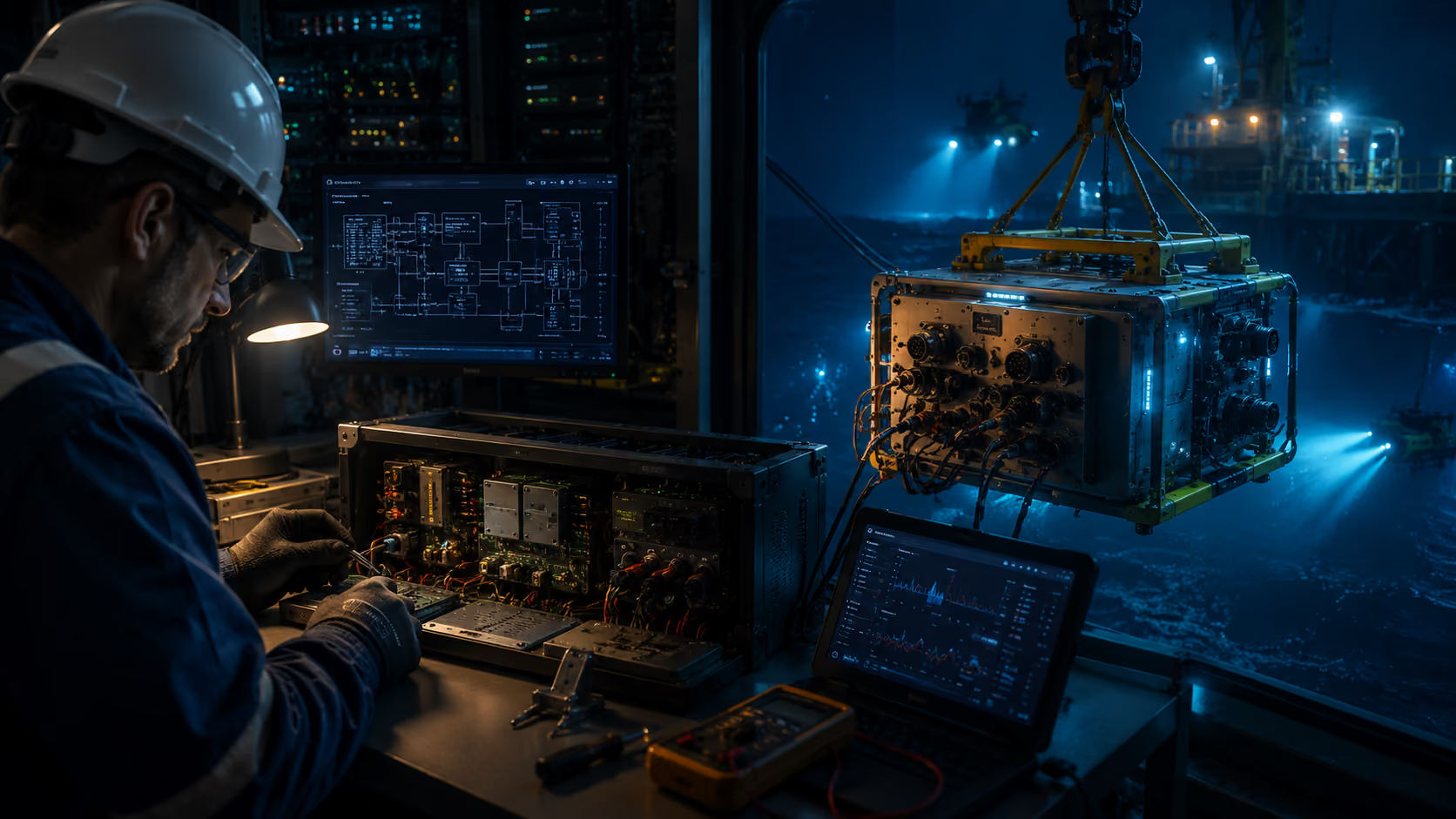
The company develops advanced subsea systems, where electronic components play a critical role in ensuring safety, reliability, and uninterrupted power delivery in demanding environments.
Power electronics for extreme subsea conditions and tight space
Subsea environments required highly reliable electronics under strict physical and operational constraints.
Designing power electronics for subsea applications involves unique challenges, including extreme environmental conditions, strict safety requirements, and limited physical space.
The system needed to meet high-reliability standards while providing stable power delivery in conditions where failure is not an option.
At the same time, constraints related to component density, thermal performance, and electrical isolation made standard design approaches insufficient.
Requirements for isolation, density, and subsea safety
To meet subsea requirements, the solution needed to:
- comply with high-reliability and safety standards
- ensure stable and efficient power delivery
- operate within strict space and density constraints
- maintain proper electrical isolation and thermal performance
- support long-term, failure-resistant operation in harsh environments
The design had to balance performance, safety, and physical limitations without compromising reliability.
Custom power electronics with custom magnetic components
Custom power electronics solutions were developed to meet the specific requirements of subsea systems.
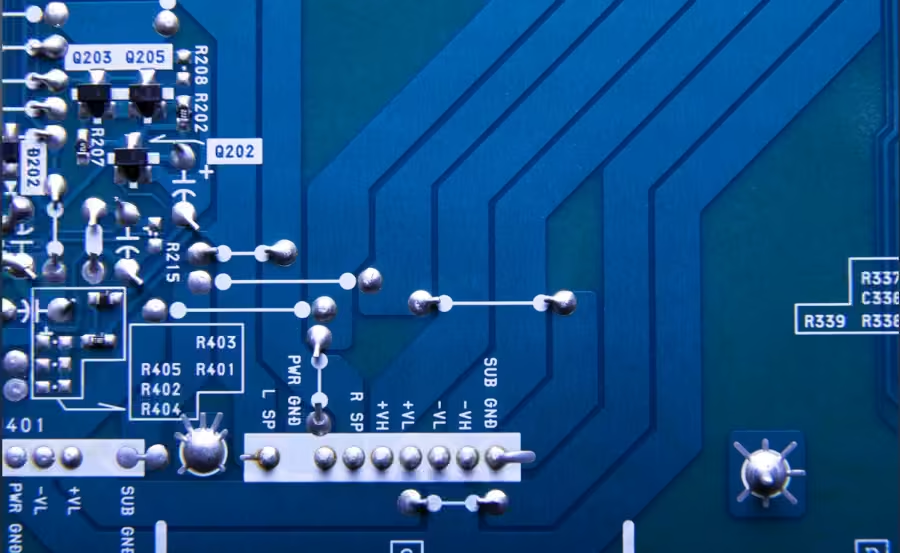
The hardware design and engineering work focused on optimizing key power electronics components, including custom magnetic elements, to meet performance, component density, and electrical isolation requirements.
The system architecture was adapted to support multiple operating modes while maintaining consistent performance and reliability.
All elements were designed as part of a broader system where safety and power delivery are critical.
This project illustrates how engineering decisions involving component selection, thermal management, and system architecture influence long-term product reliability. Our article on hardware design and engineering services explains how these considerations support product development and evolution.
Engineering capabilities:
- Power electronics design and optimization
- Custom magnetic component design
- High-reliability system engineering
- Thermal and isolation design considerations
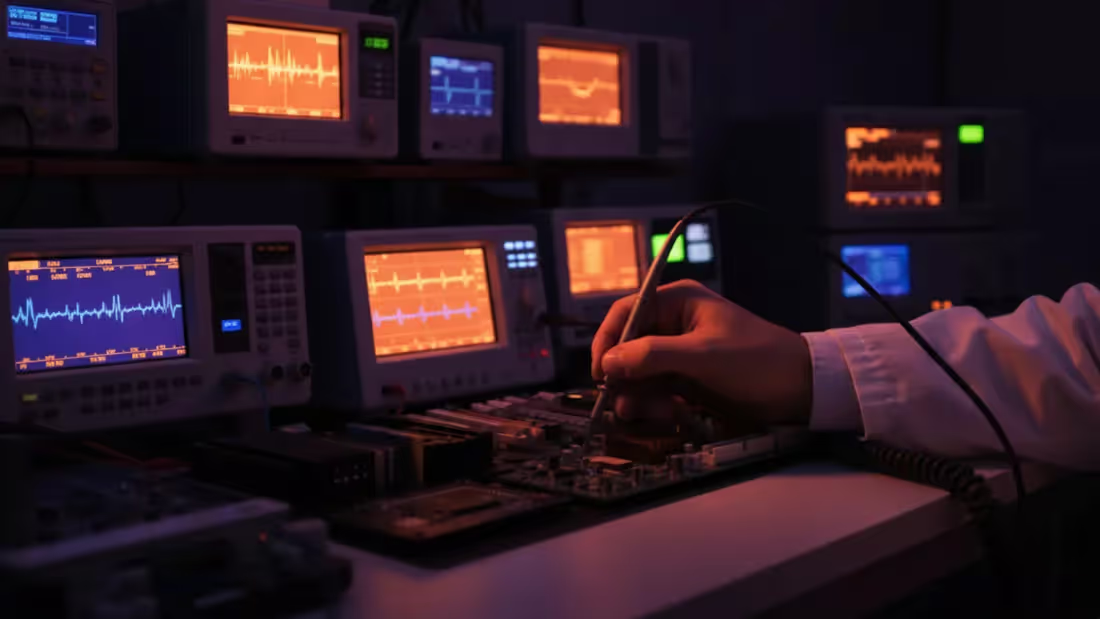
- Testing and validation for demanding environments
How custom magnetics enable compact, isolated power conversion
The platform integrates optimized power electronics components into a compact and reliable system architecture.
Custom-designed magnetic components support efficient power conversion while meeting strict isolation and space requirements.
The system is designed to operate across different modes, maintaining stability and performance under varying operational conditions.
Careful consideration of thermal behaviour, component density, and electrical isolation ensures long-term reliability.
Stable power delivery for critical subsea systems
The solution enables reliable operation of subsea systems where consistent power delivery is essential.
By addressing constraints related to space, isolation, and performance, the design supports stable system behaviour even in demanding conditions.
Improved reliability reduces the risk of failure in critical environments, where maintenance or repair is complex and costly.
Results: more reliable power delivery in subsea systems
The system delivered improvements across key areas:
- Enhanced reliability of subsea systems, reducing operational risk
- Optimized component design, balancing performance and space constraints
- Improved power delivery stability, critical for system safety
- Reduced risk of failure, in environments where downtime is costly
- Support for complex operating modes, increasing system flexibility
Frequently asked questions
Why do subsea power electronics need custom magnetic components?
Because standard design approaches were insufficient for the space, isolation, and thermal constraints of subsea power electronics. Custom-designed magnetic components support efficient power conversion while meeting strict isolation and space requirements. In this project, InTechHouse optimized custom magnetic elements together with other key power electronics components to meet performance, component density, and electrical isolation requirements for a US-based subsea systems developer.
How is subsea power electronics validated for demanding environments?
Through testing and validation for demanding environments as part of high-reliability system engineering. Subsea power electronics must comply with high-reliability and safety standards and support long-term, failure-resistant operation in harsh environments. In this project, InTechHouse's engineering scope covered power electronics design and optimization, custom magnetic component design, thermal and isolation design considerations, and testing and validation for a US-based subsea systems developer.
Can a subsea power electronics design support multiple operating modes?
Yes, the system architecture can be adapted to support multiple operating modes while keeping performance consistent. Careful consideration of thermal behavior, component density, and electrical isolation maintains stability under varying operational conditions. In this project, InTechHouse designed the power electronics as part of a broader subsea system where safety and power delivery are critical, adding support for complex operating modes that increases system flexibility.
We’ll review your goals, technical constraints, and opportunities to design a solution that fits your organization.
Planning an electronics, embedded, or FPGA project? Our engineers can help with hardware design, firmware, and testing - from first prototype to production.