
Data Leak Challenges and Data Breach in the Digital Age for Tech Leaders


Now, in the digital era, data serves as the lifeblood of organizations, enabling informed decision-making and driving innovation. However, with the proliferation of data comes the looming threat of leaks and breaches, posing significant challenges for tech leaders. In this article, we delve into the nuances of data leakage, exploring its definitions, root causes, and the profound impact it can have on businesses. Additionally, we examine real-world case studies to glean valuable lessons for tech leaders navigating this complex landscape.
Defining Data Leakage and its Manifestations
Data leakage refers to the unauthorized disclosure or exposure of sensitive information, encompassing various forms such as:
- External Intrusions: Malicious actors exploit vulnerabilities in an organization's network or software to gain unauthorized access to confidential data.
- Insider Threats: Employees or insiders with access to privileged information may intentionally or inadvertently leak data, either for personal gain or due to negligence.
- Third-Party Compromises: Data breaches can occur through the compromise of third-party vendors or service providers entrusted with handling an organization's data.
- Human Error: Accidental actions, such as misconfigured security settings, improper data disposal, or inadvertent sharing of sensitive information, can result in data leakage.
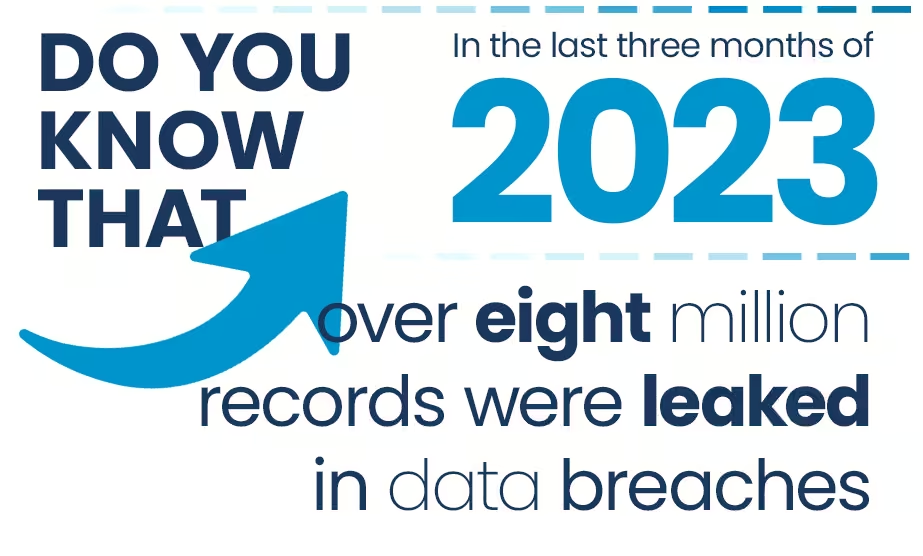
Leakage is a confidentiality problem, yet the same weak controls usually damage the other half of the picture, namely whether the records can still be trusted after the incident. Knowing what data integrity is helps separate a breach that only exposed data from one that quietly altered it. Response plans for those two cases look nothing alike.
Identifying Common Causes and Sources of Data Leakage
Several factors contribute to data leakage within organizations:
- Inadequate Security Measures: Weak passwords, outdated software, and insufficient encryption protocols create vulnerabilities that can be exploited by cybercriminals.
- Lack of Employee Awareness: Employees may inadvertently engage in risky behaviors, such as falling victim to phishing attacks or mishandling sensitive data, due to a lack of cybersecurity awareness.
- Poor Data Governance: Inadequate policies and procedures for data handling, storage, and sharing can lead to data mismanagement and increased susceptibility to leaks.
- Reliance on Third Parties: Entrusting sensitive data to third-party entities without stringent security standards or oversight increases the risk of data exposure in case of a breach.
Evaluating the Impact of Data Leakage
Short-Term and Long-Term Ramifications for Businesses
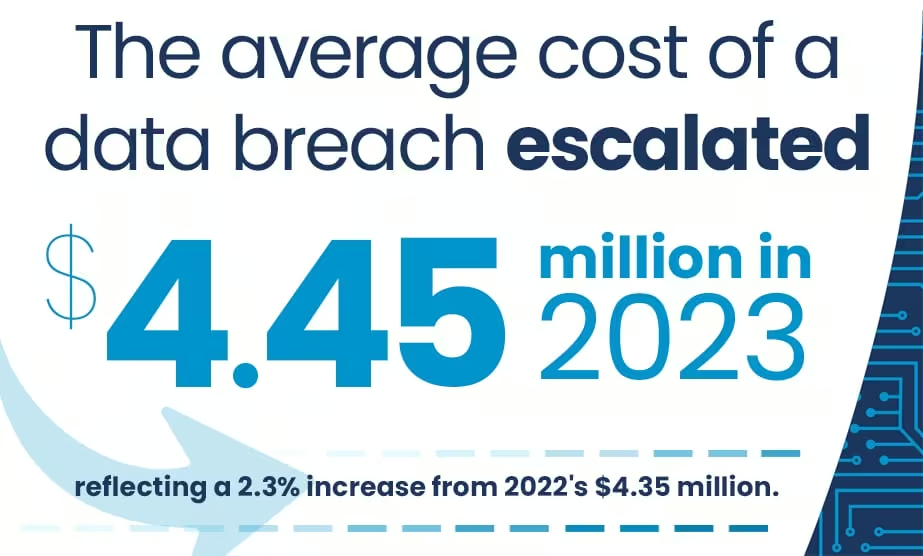
The consequences of data leakage extend far beyond immediate financial losses, impacting businesses in myriad ways:
- Reputational Damage: Data breaches erode consumer trust and confidence in an organization's ability to safeguard their information, resulting in reputational harm and loss of goodwill.
- Financial Fallout: Organizations face significant financial burdens associated with breach remediation, regulatory fines, legal fees, and potential litigation, exacerbating operational challenges.
- Regulatory Scrutiny: Non-compliance with data protection regulations, such as GDPR, CCPA, or HIPAA, exposes businesses to regulatory penalties and sanctions, tarnishing their compliance record.
- Intellectual Property Compromise: The theft or exposure of proprietary information undermines a company's competitive edge and innovation potential, impairing its long-term growth prospects.
Global Case Studies and Key Takeaways
Read also:
- How To Update Your Business Continuity Plan in 2024
- How AI Affects Cyber Security?
- What is data integrity?
Case Didi Global
A Chinese ride-hailing company, received the largest data privacy fine as of 2022. They were fined approximately $1.19 billion by China's Cyberspace Administration for violating the country's network security law, data security law, and personal information protection law. This fine was a result of a year-long investigation into the company's privacy and security practices.
Additionally, the largest data leak recorded was indeed from Cam4 in March 2020, which exposed over 10 billion records .
Source: TheDrum
Legal and Compliance Implications
Navigating Regulatory Frameworks for Data Protection
In an era characterized by unprecedented data proliferation, regulatory frameworks play a pivotal role in safeguarding individuals' privacy rights and holding organizations accountable for data handling practices. Key regulations include:
General Data Protection Regulation (GDPR):
Enforced by the European Union, GDPR sets stringent standards for the collection, processing, and storage of personal data. It empowers individuals with greater control over their data and imposes hefty fines for non-compliance, up to 4% of global annual turnover.
California Consumer Privacy Act (CCPA):
CCPA grants California residents enhanced rights over their personal information, requiring businesses to disclose data practices, provide opt-out mechanisms, and refrain from selling personal data without consent. Non-compliance may result in statutory damages ranging from $100 to $750 per consumer, per incident.
Compliance Imperatives and Legal Ramifications
Data leaks carry significant legal and financial consequences for organizations:
Compliance Requirements:
Organizations must adhere to regulatory mandates, including data minimization, consent management, data breach notification, and privacy-by-design principles, to ensure compliance with GDPR, CCPA, and other relevant laws.
Legal Ramifications:
Failure to uphold data protection standards can result in regulatory penalties, class-action lawsuits, reputational damage, and loss of customer trust. Moreover, organizations may incur litigation costs, settlements, and remediation expenses, amplifying the financial burden of data breaches.
Human Factors in Data Security
Understanding the Impact of Human Error on Data Leaks
Human error remains a significant contributing factor to data leaks, stemming from various behaviors and oversights:
Unintentional Actions:
Employees may inadvertently mishandle sensitive data through actions such as sending emails to the wrong recipients, falling victim to phishing scams, or misconfiguring security settings.
Lack of Awareness:
Insufficient cybersecurity awareness and training leave employees ill-equipped to recognize and mitigate potential risks, increasing susceptibility to social engineering tactics and malicious attacks.
Overconfidence:
Complacency and overconfidence in existing security measures may lead individuals to disregard established protocols, neglecting basic security hygiene practices and inadvertently facilitating data breaches.
Strategies for Training and Awareness to Minimize Risks
To address human factors in data security, organizations can implement targeted training and awareness programs:
Comprehensive Training:
Provide regular cybersecurity training sessions covering topics such as phishing awareness, password hygiene, secure data handling practices, and incident response protocols.
Simulated Phishing Exercises:
Conduct simulated phishing campaigns to assess employees' susceptibility to social engineering attacks and reinforce vigilance against malicious emails.
Role-Based Training:
Tailor training programs to different employee roles and responsibilities, emphasizing job-specific security practices and compliance requirements.
Continuous Education:
Foster a culture of continuous learning and improvement by offering ongoing cybersecurity updates, resources, and interactive learning modules to keep employees abreast of emerging threats and best practices.
Implementing a Proactive Data Security Strategy
A proactive data security strategy encompasses the following key components:
Risk Assessment:
Conduct regular risk assessments to identify vulnerabilities, evaluate threat landscapes, and prioritize mitigation efforts based on potential impact and likelihood of occurrence.
Data Classification:
Classify data according to sensitivity levels and establish access controls, encryption protocols, and retention policies tailored to each data category.
Access Control Measures:
Implement robust access controls, including role-based access permissions, least privilege principles, multi-factor authentication, and privileged access management, to limit unauthorized access and reduce the risk of insider threats.
Anomaly Detection Systems:
Deploy advanced anomaly detection systems powered by machine learning algorithms to detect and respond to suspicious activities, anomalous behaviors, and potential data breaches in real-time.
Most leaks start with unclear ownership and over broad access, not with a sophisticated attack. We map who can reach which data across your OT and IT estate and close the gaps.
Best Practices for Data Encryption, Access Control, and Anomaly Detection
Data Encryption:
Encrypt data at rest and in transit using strong encryption algorithms and cryptographic protocols to safeguard confidentiality and prevent unauthorized access.
Access Control:
Enforce granular access controls and least privilege principles to restrict access to sensitive data, ensuring that only authorized users can view, modify, or transmit information based on their roles and permissions.
Anomaly Detection:
Implement continuous monitoring and anomaly detection mechanisms to identify deviations from normal user behavior, detect potential security incidents, and trigger timely response and remediation actions.
Encryption and access control are far easier to enforce when data follows one governed path instead of a dozen ad hoc exports. That is an architectural decision, settled during industrial data platform development, while ingestion, storage and access layers are still on paper. Retrofitting the same controls into a running platform is what makes most remediation projects so expensive.
Responding to a Data Leak
4 Crucial Steps for an Effective Response to a Data Leak Incident
In the event of a data leak, organizations should follow a structured incident response plan:
- Containment: Immediately isolate affected systems and limit the spread of the breach to prevent further unauthorized access or data exfiltration.
- Investigation: Conduct a thorough investigation to determine the scope and impact of the breach, identify root causes, and assess the extent of data compromise.
- Notification: Notify affected individuals, regulatory authorities, and relevant stakeholders in accordance with legal and regulatory requirements, ensuring transparent communication and timely disclosure of breach details.
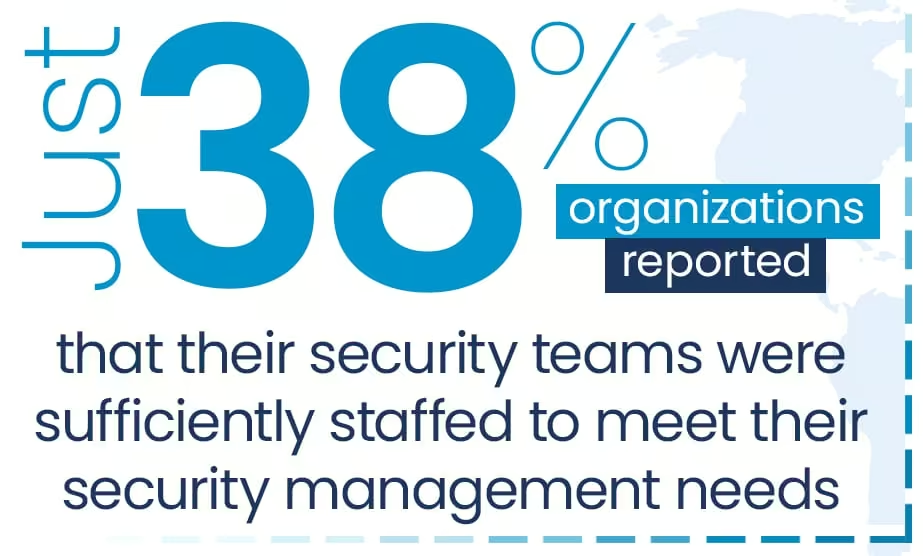
- Remediation: Take prompt remedial actions to mitigate the effects of the breach, such as patching vulnerabilities, strengthening security controls, and enhancing monitoring capabilities to prevent future incidents.
Containment and remediation restore control of the systems, but the organisation still has to keep operating while the investigation runs. That is why an incident response plan belongs next to a business impact analysis, and why it makes sense to update your business continuity plan on the same cycle you review security controls.
Communication Strategies with Stakeholders and Regulatory Bodies
Maintain open and transparent communication with stakeholders and regulatory bodies throughout the incident response process:
Internal Communication:
Keep employees informed about the incident, its impact, and remediation efforts through regular updates, internal memos, and dedicated communication channels.
External Communication:
Coordinate with external stakeholders, including customers, partners, regulators, and law enforcement agencies, to provide accurate and timely information about the breach, address concerns, and demonstrate commitment to data protection and compliance.
Regulatory Reporting:
Comply with regulatory reporting requirements by submitting incident reports, notifications, and compliance documentation to relevant authorities in a timely manner, maintaining transparency and accountability throughout the regulatory review process.By integrating human-centric security measures, proactive data security strategies, and effective incident response protocols, organizations can enhance resilience against data leaks, safeguard sensitive information, and uphold trust in an increasingly interconnected and data-driven world.
The Leadership Imperative in Data Security
In the dynamic landscape of data security, effective leadership serves as the cornerstone for cultivating a culture of vigilance and resilience within organizations. Here's a distinctive perspective on the role of leadership in data security:Leadership Strategies for Cultivating a Culture of Security
Embodying Security Consciousness:
Leaders must exemplify a steadfast commitment to security, integrating it into their daily practices, decisions, and communications. By demonstrating the importance of security through their actions, leaders set a compelling example for employees to follow.
Educating and Empowering Employees:
Investing in comprehensive security education and training empowers employees at all levels to recognize and respond to security threats effectively. Through interactive workshops, simulations, and ongoing awareness campaigns, leaders can instill a shared sense of responsibility for safeguarding sensitive information.
Fostering a Culture of Collaboration:
Encouraging collaboration and information sharing across departments fosters a collective approach to security. By breaking down silos and promoting cross-functional collaboration, leaders can leverage diverse perspectives and expertise to enhance security measures and mitigate risks.
Recognizing and Rewarding Security Champions:
Acknowledging and celebrating individuals and teams who demonstrate exemplary security practices reinforces the importance of security throughout the organization. By publicly recognizing achievements and contributions to security, leaders reinforce a culture that values and prioritizes security at every level.
The Critical Role of Executives in Security Planning and Response
- Strategic Alignment: Executives play a pivotal role in aligning security initiatives with broader organizational objectives and priorities. By integrating security into strategic planning processes, executives ensure that security remains a fundamental consideration in decision-making and resource allocation
- Proactive Risk Management: Executives oversee the identification, assessment, and mitigation of security risks, balancing the need for innovation and growth with the imperative to protect critical assets and data. By championing risk-aware decision-making and resilience-building efforts, executives strengthen the organization's ability to anticipate and respond to emerging threats
- Crisis Leadership: In the event of a security incident or breach, executives provide decisive leadership, guiding the organization's response efforts and ensuring effective communication with stakeholders. By demonstrating composure, transparency, and accountability, executives inspire confidence and trust in the organization's ability to navigate challenges and safeguard sensitive information
Future Trends in Data Security
As technology evolves and threats evolve, organizations must anticipate and prepare for the future of data security. Here are some emerging trends and considerations:
Emerging Threats and Evolving Security Technologies
- AI-Powered Threats: The proliferation of artificial intelligence (AI) and machine learning (ML) technologies presents both opportunities and challenges for data security. While AI-driven security solutions offer enhanced threat detection capabilities, adversaries are also leveraging AI to launch sophisticated cyber attacks. Organizations must continuously adapt and innovate to stay ahead of AI-powered threats.
- Supply Chain Vulnerabilities: With the increasing interconnectedness of supply chains and reliance on third-party vendors, organizations face heightened risks of supply chain attacks and data breaches. Strengthening supply chain resilience, implementing robust vendor risk management practices, and fostering transparency and collaboration with partners are critical to mitigating supply chain vulnerabilities
- Regulatory Complexity: The evolving regulatory landscape, including the emergence of new data privacy laws and regulations, poses compliance challenges for organizations operating in multiple jurisdictions. Proactively monitoring regulatory developments, enhancing data governance practices, and investing in compliance automation technologies are essential for navigating regulatory complexity effectively
Preparing for the Future of Data Security in a Rapidly Changing Digital Landscape
- Cyber Resilience: Building cyber resilience requires a holistic approach that encompasses proactive risk management, continuous monitoring, incident response preparedness, and collaboration with industry peers and stakeholders. By adopting a resilience mindset and embracing adaptive security measures, organizations can effectively mitigate the impact of cyber threats and disruptions
- Innovation and Adaptation: Embracing innovation and adopting emerging security technologies, such as quantum-resistant encryption, homomorphic encryption, and decentralized identity management, enables organizations to stay ahead of evolving threats and secure sensitive data in the digital age. By fostering a culture of innovation and experimentation, leaders can drive continuous improvement and adaptation in data security practices
- Ethical Considerations: As organizations leverage data-driven technologies and analytics to drive business growth and innovation, they must also address ethical considerations related to data privacy, consent, transparency, and accountability. By integrating ethical principles into data governance frameworks and decision-making processes, organizations can build trust with customers, employees, and stakeholders and uphold ethical standards in data security practices
Conclusion
In a world where data is the lifeblood of organizations, the threat of data leaks looms large, underscoring the critical importance of robust data security measures. Throughout this article, we've explored the multifaceted nature of data leaks, delving into their definitions, causes, impacts, and proactive strategies for prevention and response.
Data leaks can occur through various channels, including external attacks, insider threats, third-party breaches, and human error, highlighting the need for comprehensive security measures and a culture of vigilance within organizations. The consequences of data leaks can be far-reaching, leading to reputational damage, financial losses, regulatory fines, and intellectual property theft.
To mitigate the risks of data leaks, organizations must adopt a proactive approach to data security, encompassing elements such as risk assessment, access control, encryption, and employee training. By investing in robust security technologies, fostering a culture of security awareness, and ensuring executive involvement in security planning and response, organizations can strengthen their defenses and safeguard sensitive information against evolving threats.
However, the battle against data leaks is ongoing, and vigilance is paramount. Organizations must remain vigilant, continuously monitor for emerging threats, and adapt their security measures accordingly to stay one step ahead of cyber adversaries.
Encryption, access control and anomaly detection work when they are designed into the platform rather than bolted on. Ask how we structure governance for regulated environments.
Let's talk about your next move
Not sure where to start? We work with companies at every stage, from early ideas to enterprise-level builds. A 30-minute call can save you months of guesswork.
FAQ
What is the difference between a data leak and a data breach?
A data leak is the exposure of sensitive data through an internal weakness, such as a misconfigured cloud bucket, an unencrypted backup or an email sent to the wrong recipient, often without any attacker involved. A data breach is a confirmed incident in which an unauthorized party accessed, stole or altered data, usually through an attack. Leaks frequently become breaches once someone finds the exposed data. Under GDPR, both count as personal data breaches if personal data is affected.
How quickly must a data breach be reported under GDPR?
Under GDPR Article 33, a personal data breach must be reported to the supervisory authority within 72 hours of the organization becoming aware of it, unless it is unlikely to result in a risk to individuals. Article 34 requires informing affected individuals without undue delay when the risk to them is high. Organizations covered by NIS2 face an additional early warning to the national CSIRT or authority within 24 hours. Response playbooks should include these deadlines and pre-approved notification templates.
How common are data leaks?
Data leaks are common enough that security planning should assume one will happen rather than treat it as unlikely. Annual reports such as the Verizon Data Breach Investigations Report and the ENISA Threat Landscape consistently list misconfiguration, stolen credentials, phishing and third-party compromise among the leading causes. Many leaks are discovered months later, often by outsiders. That is why detection, logging and an incident response plan matter as much as preventive controls.
What is data loss prevention and what can it catch?
Data loss prevention (DLP) is a set of tools and policies that detect and block sensitive data leaving approved channels, such as email, cloud storage, USB drives or web uploads. It works by classifying data, using patterns like card or ID numbers, document labels or fingerprints of specific files, and applying rules to each channel. DLP catches accidental sharing well but is easier for a determined insider to bypass. It works best alongside least-privilege access and data classification.
How should third-party vendor risk be managed to prevent data leaks?
Third-party vendor risk should be managed by inventorying which vendors hold or access sensitive data, assessing their security before contract signature, and writing obligations into the contract. Typical requirements include encryption, access logging, breach notification within a defined period, audit rights and deletion at contract end. Evidence such as ISO 27001 certification or a SOC 2 Type II report reduces assessment effort. Vendor access should be limited to what the service requires and reviewed at least annually.
Jacek Suty
Jacek Suty is Head of Solution Architecture at InTechHouse, with more than 30 years of experience in system architecture, enterprise IT, infrastructure, information security, and complex digital transformation programs.
He specializes in designing enterprise and solution architectures, translating business and regulatory requirements into scalable technology platforms, and coordinating delivery across software, infrastructure, data, and security teams. His work covers enterprise architecture based on TOGAF, system modeling using UML and BPMN, cloud and on-premise infrastructure, CI/CD processes, data platforms, cybersecurity, and IT governance.
Jacek has contributed to large-scale technology programs for public institutions, finance, energy, education, healthcare, utilities, and digital archives. His project experience includes nationwide public digital infrastructure, distributed document-management and archiving systems, data-exploration platforms using machine learning and predictive analytics, and transaction systems combining blockchain, metadata standards, and computational intelligence.
He holds PRINCE2 Practitioner, Management of Risk, Scrum Master, ITIL Foundation, and ISO/IEC 27001 Lead Auditor qualifications. Jacek is currently pursuing a doctoral degree at Bydgoszcz University of Science and Technology, combining academic research with extensive experience in real-world architecture and technology delivery.
He writes about enterprise architecture, system design, digital transformation, data platforms, cloud infrastructure, cybersecurity, technology governance, and the practical application of AI in complex information systems.
Jacek Suty's academic and professional profiles:
https://pbs.edu.pl/pl/doktorant/uczelniania-rada-samorzadu-doktorantow
https://www.isep.pw.edu.pl/isep/zs/Aktualnosci/Kalendarium-wydarzen2/Seminarium-zakladowe-9.03.2021-Jacek-Suty
https://aionehealth.pl/wp-content/uploads/2026/04/Raport-2026-final.pdf
Let's talk about your next project
From first prototype to production, our engineers can help you scope it, build it and get it certified.



Discuss your product with our R&D team
This initial conversation is focused on understanding your product, technical challenges, and constraints.
No sales pitch - just a practical discussion with experienced engineers.
Share a few details about your product and context. We’ll review the information and suggest the most appropriate next step.