Embedded systems are an integral part of our daily lives, yet many people and business owners are unaware of their existence. These systems are the brains behind most of our electronics, from smartphones and laptops to cars and home appliances. An embedded system is a combination of hardware and software designed to perform a specific function within a larger system. The software is typically written in low-level programming languages and is optimized for the specific hardware it is running on.
Embedded systems are everywhere, from the smallest microcontrollers that power simple toys to the sophisticated control systems used in aircraft and spacecraft. These systems have become increasingly important in recent years, as they are essential to the development of the Internet of Things (IoT) and smart cities.In our article, we will explore what embedded systems are, how they work, and why they are important. We will also describe the ideal portrait of an embedded software engineer, discuss some of the challenges of designing and programming embedded systems, as well some of the exciting applications of embedded technology in various industries.
An embedded system is a computer system that is designed to perform specific tasks within a larger system. It is usually a microcontroller or microprocessor-based system that is embedded in a device or product to control and monitor its operation. The system is designed to operate in a closed environment where it controls and manages the device’s hardware components. It is also programmed to respond to external events or stimuli, such as user input or sensor data.
Examples of Embedded Systems:
Embedded systems are used in many everyday devices, such as cars, televisions, washing machines, and refrigerators. Some examples of embedded systems are:
The history of embedded systems dates back several decades, starting with the development of microprocessors and microcontrollers in the 1970s. Here’s a brief overview of the history of embedded systems:

Source: InTechHouse Own Research
Today, embedded systems are ubiquitous, powering everything from smartphones and laptops to traffic lights and industrial robots. As technology continues to advance, embedded systems will likely continue to play an increasingly important role in our daily lives.
The embedded computing system market is powerful now. The embedded market is expected to register a CAGR of 6.6% during the forecast period till 2028. With the rise of IoT, advanced technologies for embedded security are likely to emerge as a crucial generator for identifying devices in an IoT network, and as microcontroller security solutions that isolate security operations from generic operations. Security features of that kind now weigh as heavily as clock speed or peripherals in microcontroller selection for connected devices.
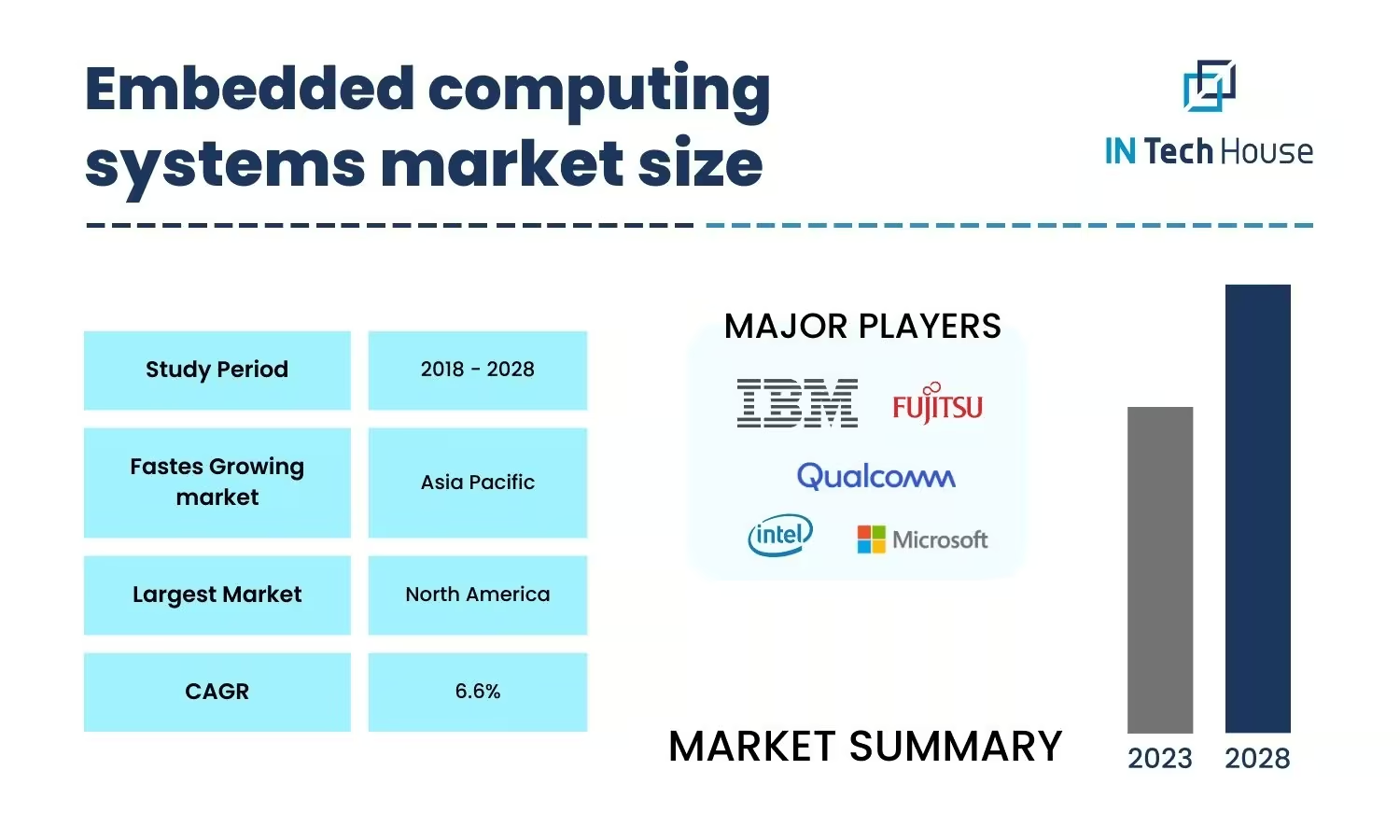
Source: MordorIntelligence, GMinSights, ResearchGate
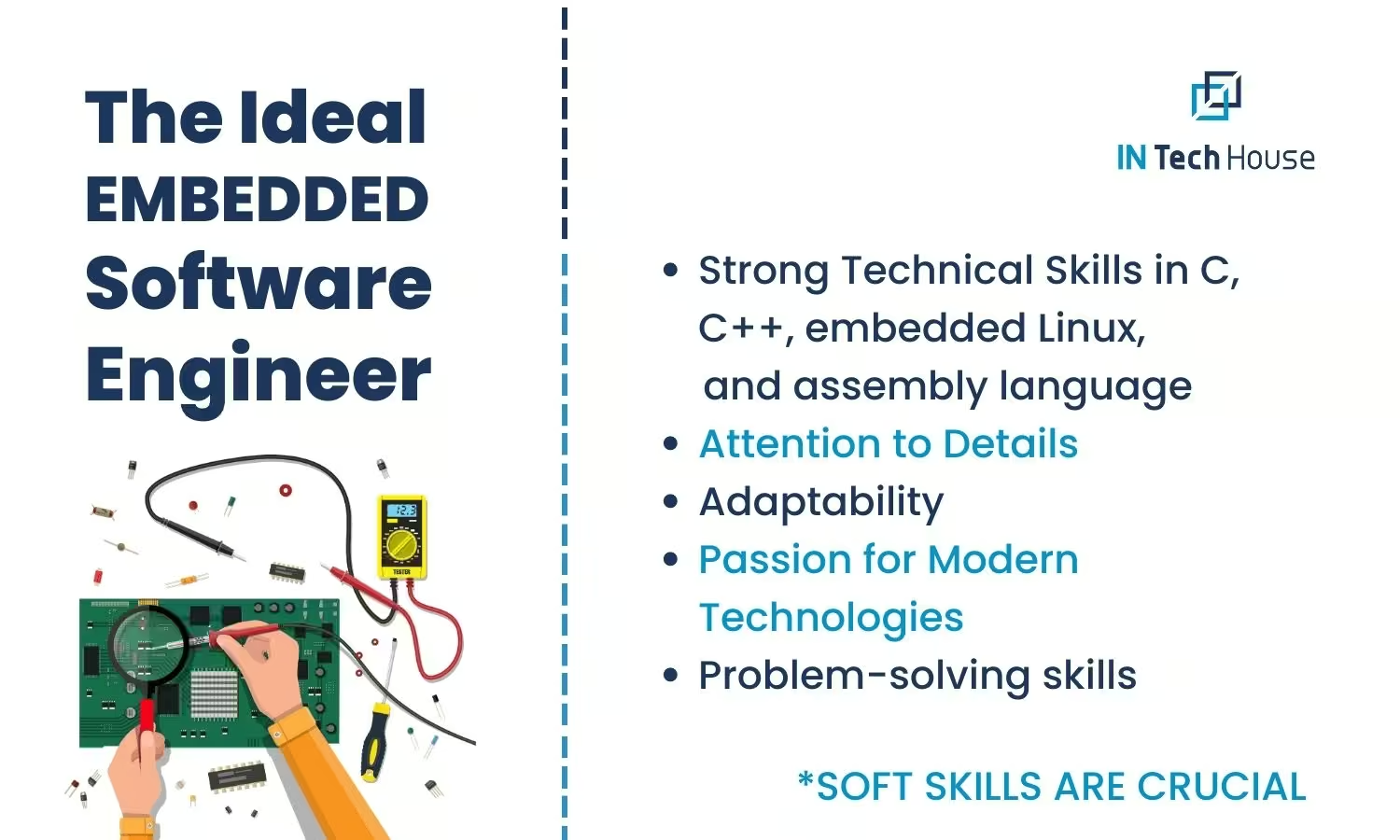
Embedded software engineers are computer programmers who specialize in designing and programming software for embedded systems. These engineers typically have a background in computer science or electrical engineering and have specialized knowledge of programming languages and software development tools. Embedded software engineers work closely with hardware engineers to ensure that the software they develop is optimized for the specific hardware platform it will run on.An ideal embedded software engineer should possess a combination of technical and personal skills to succeed in their role. Here are some criteria that make an ideal embedded software engineer:
An embedded software engineer should have a deep understanding of computer science, engineering and software development, electronics, and programming languages. They should have expertise in the top programming languages for embedded systems like C, C++, and assembly language, as well as experience with embedded operating systems and development tools. Choosing a programming language for embedded systems becomes a practical skill. They should also be familiar with hardware components like microcontrollers, sensors, communication interfaces, and specific hardware platforms.
Embedded systems often present complex technical challenges that require innovative solutions. An ideal embedded software engineer should be able to analyze embedded engineering problems, think creatively, and develop effective solutions.
Embedded systems require precision, as even minor errors in code can cause catastrophic failures. Most embedded software engineers should have strong attention to detail and be meticulous in their work.
Embedded systems development often involves collaboration with other engineers, designers, and stakeholders. An ideal embedded software engineer should be able to communicate effectively, work well in a team, and be open to constructive criticism.
Embedded systems development often requires flexibility and adaptability, as requirements may change throughout the development process, a workflow we break down in mastering embedded systems for software development. An ideal embedded software engineer should be able to adapt to changing requirements and be able to work under pressure to meet project deadlines. They should have an analytical mind.
An ideal embedded software engineer should have a strong passion for technology and a desire to stay up-to-date with the latest developments in their field. They should be curious, always seeking to learn and improve their skills.
Embedded software engineers need a at least bachelor’s degree in computer science or a related field, along with experience in software development, particularly in embedded software systems. In addition, knowing specific programming languages such as C, C++, and Assembly Language is also essential for this role.
To gain experience and further knowledge, one can consider taking up internships, attending training and certification programs, and working on open-source projects. Building a portfolio of projects showcasing one’s skills is also beneficial when applying for embedded software engineer jobs.
According to Payscale, the average salaries of embedded software engineers in different countries are as follows:
It’s worth noting that embedded software developer salaries can vary depending on a range of factors such as experience, location, industry, and company size.

Platforms like these ship with their hardware support layer already written, which is exactly why they are so fast to start with. On a custom board that layer has to be produced from scratch, and our guide to board support package (BSP) development walks through what it contains. It is usually the first firmware milestone in any project that runs Linux or an RTOS on in-house hardware.
Embedded roles are hard to hire and slow to ramp up. We supply engineers who already work in embedded C and C++, drivers and embedded Linux on regulated products.
Add embedded software engineers to your project
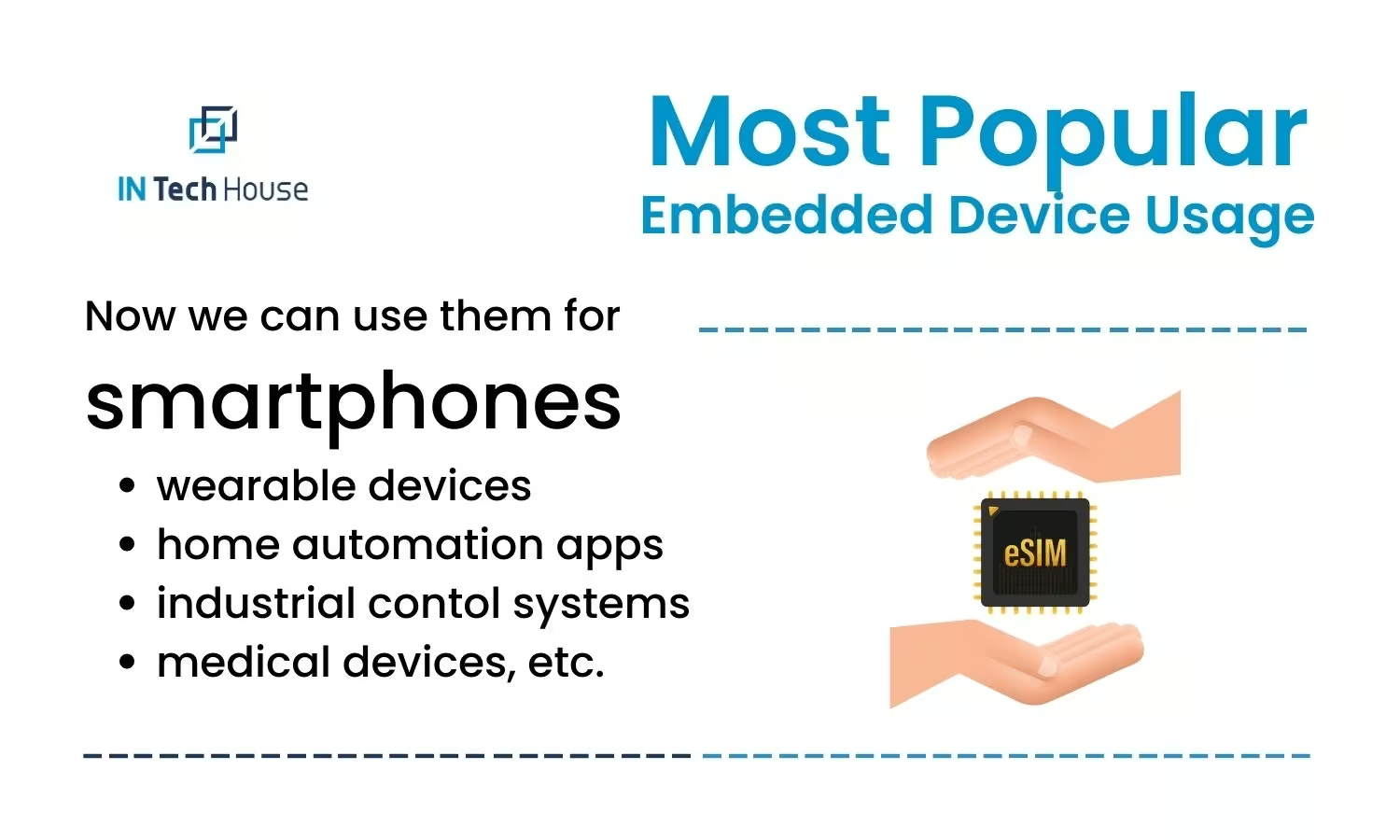
Embedded devices are specialized computer systems that are designed to perform specific tasks within a larger system. These devices are typically designed to operate with minimal human intervention, and they often require specialized software to function. Embedded devices can be found in a wide range of applications, from consumer electronics to industrial control systems. Here are some examples of embedded devices and their uses:
See also:
Embedded System Software Essentials for Embedded Software Engineers
Embedded Software vs Firmware
Embedded Systems Architecture
Embedded devices are specialized computer systems that are designed to perform specific tasks within a larger system. They have several key features that distinguish them from general-purpose computers:
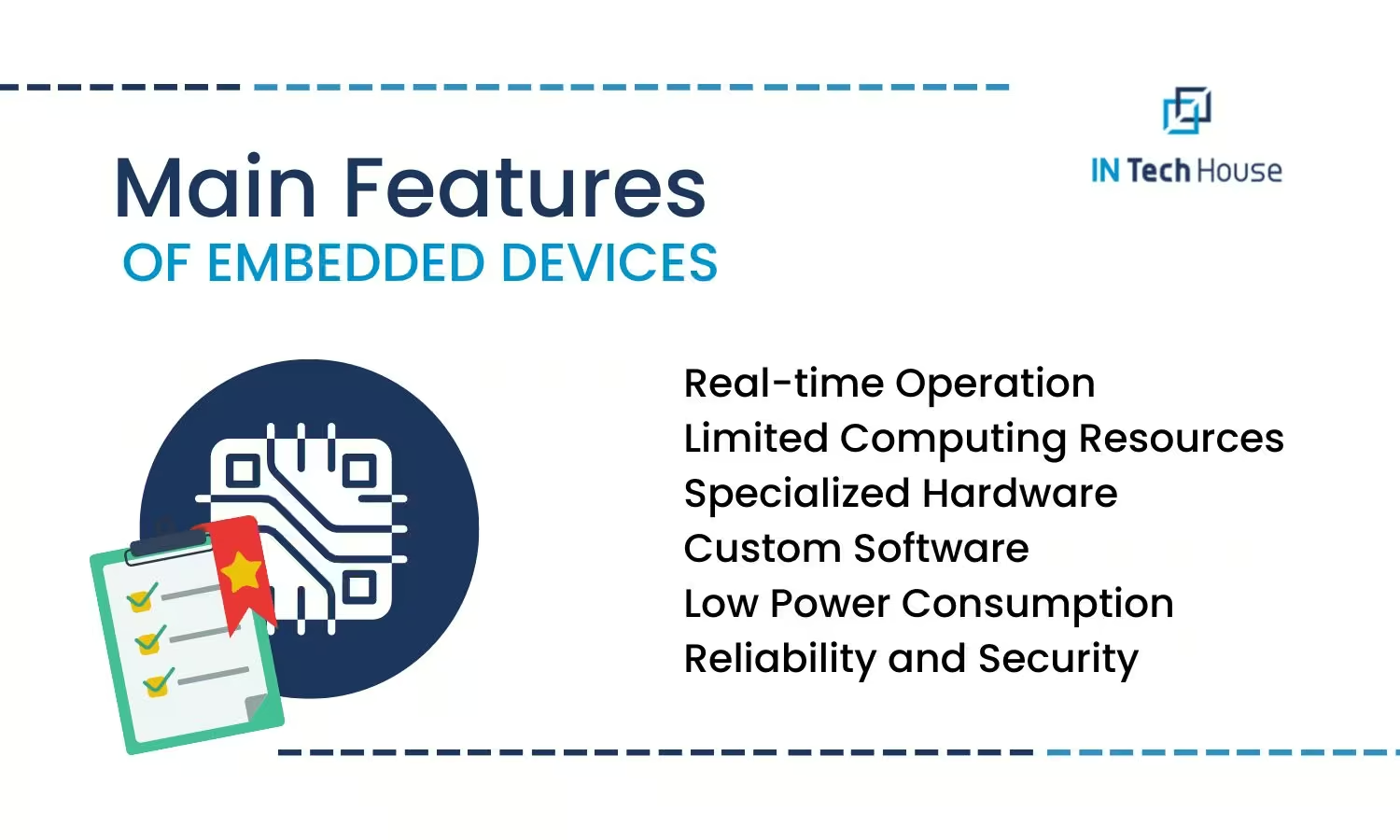
In summary, embedded devices have several key features that distinguish them from general-purpose computers, including real-time operation, limited computing resources, specialized hardware, custom software, low power consumption, and reliability and security. These features are essential for enabling embedded devices to perform their specific tasks efficiently, effectively, and safely.
Those same constraints are why firmware has traditionally been written as one monolithic image, with every function compiled into a single binary. More capable SoCs and containerised edge runtimes have made a modular split realistic, an approach we describe in microservices in embedded systems. The trade-off is between the memory overhead of separation and the ability to update one function without reflashing the entire device.
Embedded systems are used in a wide range of applications across different industries. Here are some examples of where embedded systems are commonly used in the healthcare industry, consumer electronics, automotive industry, robotics and aerospace industry, etc.
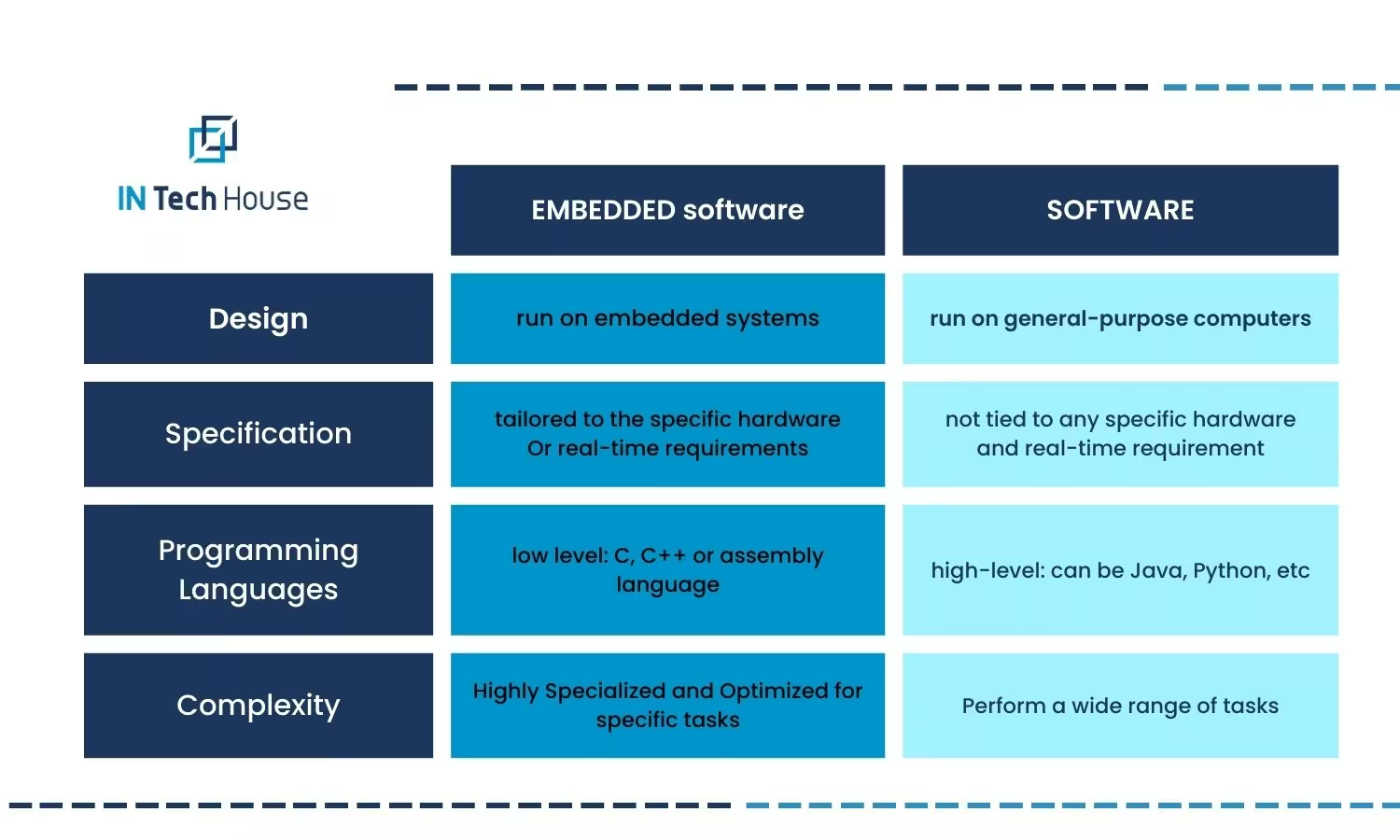
The main difference between embedded software and software is that embedded software is specifically designed to run on embedded systems, while the software is designed to run on general-purpose computers.
Embedded software is tailored to the specific hardware and real-time requirements of the embedded system it runs on. It is often written in low-level programming languages such as C or Assembly to maximize performance and minimize memory usage. Embedded software is responsible for controlling the hardware and performing the specific tasks the embedded system is designed for, such as monitoring sensors or controlling actuators.
Software, on the other hand, is designed to run on general-purpose computers and is not tied to any specific hardware or real-time requirements. It is often written in high-level programming languages such as Java or Python and can perform a wide range of tasks such as word processing, web browsing, and gaming.
Another difference between embedded software and software is their level of complexity, and a closely related distinction is explained in embedded software vs firmware. Embedded software is often highly specialized and optimized for the specific tasks it needs to perform, while software can be much more complex and perform a wide range of tasks.In summary, the main differences between embedded software and software are the specific hardware and real-time requirements of embedded systems, the programming languages used, and the level of complexity of the software. Embedded software is optimized for the specific tasks of the embedded system, while the software is designed for general-purpose computing tasks.
Embedded system programming is the process of writing software to control and manage an embedded system, and it builds on the embedded system software essentials every engineer needs to know. This programming requires a deep understanding of the hardware and real-time requirements of the embedded system.Embedded system programming is often done using low-level programming languages such as C or Assembly. These languages allow the programmer to directly access the hardware and memory of the embedded system, providing precise control over its behaviour.
The programming of an embedded system involves several stages, including:
Embedded system programming requires specific skills and knowledge, including an understanding of low-level programming languages, real-time operating systems, and hardware architecture. Programmers must also be familiar with various development tools, such as compilers, debuggers, and simulators, which are used to develop and test embedded systems.In summary, embedded system programming is the process of writing software to control and manage an embedded system. It requires a deep understanding of the system’s hardware and real-time requirements and is often done using low-level programming languages such as C or Assembly. Embedded system programming involves several stages, including system design, algorithm design, code development, and testing, and each of them has its own critical mistakes in embedded system programming to avoid.
InTechHouse is a leading custom software development company with extensive experience in building embedded software solutions for a variety of industries, delivered through our embedded firmware and software development services. One such industry is finance, where our team has successfully delivered a range of projects, from trading platforms to financial analytics tools.Another industry where InTechHouse has demonstrated its expertise is the property technology (PropTech) space. Our team has built innovative solutions for optimizing performance with embedded software that have enabled real estate companies to optimize their operations and increase their bottom line.
One example of our successful work in this area is our Expense Analyser project. This embedded software solution was designed to help real estate companies manage their expenses and streamline their financial processes. The software uses advanced algorithms to automatically categorize and track expenses, reducing the time and effort required for manual data entry and reconciliation.
With our Expense Analyser, real estate companies can easily monitor their financial health, identify areas for cost savings, and make data-driven decisions to improve their bottom line. We’re proud to have delivered this innovative solution to our client and look forward to continuing to push the boundaries of embedded software development in the future.
From requirements and architecture to test benches and release, our teams own the full firmware lifecycle. Ask for a walkthrough of a project close to your device class.
See how we run embedded software delivery
Embedded software engineering is an increasingly important part of our lives, powering everything from our cars to our smartphones. As technology continues to advance, the demand for skilled embedded software engineers is only going to increase. By gaining the necessary education and experience, individuals can take advantage of this growing field and build a rewarding career in embedded systems. At the same time, companies can benefit from the expertise of software development companies like InTechHouse, who have the experience and knowledge to deliver innovative embedded software solutions that drive business success.
Not sure where to start? We work with companies at every stage, from early ideas to enterprise-level builds. A 30-minute call can save you months of guesswork.
Embedded software engineering is the discipline of designing, writing and verifying software that runs on dedicated hardware inside a larger product, such as an engine control unit, an infusion pump or an industrial sensor. The code is written for one specific board, usually in C or C++, and must respect fixed limits on memory, CPU time and power. Unlike application development, the work covers the full path from register-level drivers to the product logic that users actually see.
Embedded software development differs from application development because the code is bound to one hardware target and to physical deadlines. A desktop or web application can assume gigabytes of RAM, an operating system and frequent updates; firmware on a microcontroller may have 64 KB of RAM, no operating system and a field life of ten years or more. Defects also behave differently: a timing bug may appear only under electrical noise or at temperature, so debugging needs oscilloscopes and JTAG probes, not only logs.
An embedded software engineer typically owns the layers between the silicon and the application: startup code, peripheral drivers (UART, SPI, I2C, ADC), the board support package, the scheduling model and the communication stack. A large part of the job is reading datasheets and reference manuals, then proving on real hardware that the code meets its timing and memory budgets. Close work with hardware engineers is routine, because many problems sit on the boundary, for example a noisy signal that looks like a software fault.
A board support package (BSP) is the layer of code that adapts an operating system or RTOS to a specific custom board: clock setup, memory map, pin configuration, interrupt controller and drivers for the chips on that PCB. Development boards ship with a BSP already written, which is why prototypes start quickly. On in-house hardware nothing else can run until the BSP boots reliably, so it sits on the critical path for every later feature and for bring-up of each hardware revision.
Embedded software has to follow a functional safety standard when a failure could injure people or when the target market requires it. The usual references are IEC 61508 for industrial systems, ISO 26262 for road vehicles, IEC 62304 for medical device software and DO-178C for airborne systems. Each one prescribes documented requirements, traceability, coding rules and verification evidence scaled to the risk class, so the decision should be made before architecture work starts, not after the code exists.
Embedded firmware on small microcontrollers is still usually built as one monolithic image, because separation costs memory and adds complexity the hardware cannot absorb. A modular split becomes realistic on more capable SoCs running Linux or a containerised edge runtime, where individual functions can be updated without reflashing the whole device. The decision rests on update frequency, available RAM and flash, and whether different parts of the product need independent release cycles or certification boundaries.
Krzysztof Niedźwiedź is a Lead Embedded Systems and Hardware Engineer at InTechHouse with over 11 years of experience developing complex electronic and embedded products from system architecture through production.
He specializes in embedded software development, electronic system architecture, multilayer PCB design, hardware-software integration, system testing, and technical ownership of high-reliability engineering projects. His work spans requirements analysis, architecture and component selection, schematic and PCB design, bare-metal and RTOS firmware development, prototyping, troubleshooting, production documentation, and cooperation with mechanical and high-level software teams.
Krzysztof's project experience includes FPGA and SoC-based onboard computers for the space industry, embedded electronics for advanced optical equipment, low-power environmental-monitoring devices, UAV payloads for real-time air-quality measurement and sample collection, and connected medical and training devices.
He works with C and C++, STM32, LPC and AVR microcontrollers, ARM-based platforms, RTOS, Embedded Linux, FPGA and SoC architectures, DDR3, HDI PCB technology, and industrial communication interfaces including Ethernet, CAN, RS-485, SPI, I2C, UART, USB, Modbus, and MQTT.
Krzysztof holds bachelor's and master's degrees in Electronics and Telecommunications. He is an IPC Certified Interconnect Designer and has completed specialist training in Embedded GNU/Linux kernel internals and device drivers. He writes about embedded system architecture, firmware development, PCB design, MCU and FPGA integration, RTOS, hardware security, low-power electronics, and dependable electronic products.
From first prototype to production, our engineers can help you scope it, build it and get it certified.
This initial conversation is focused on understanding your product, technical challenges, and constraints.
No sales pitch - just a practical discussion with experienced engineers.
Share a few details about your product and context. We’ll review the information and suggest the most appropriate next step.