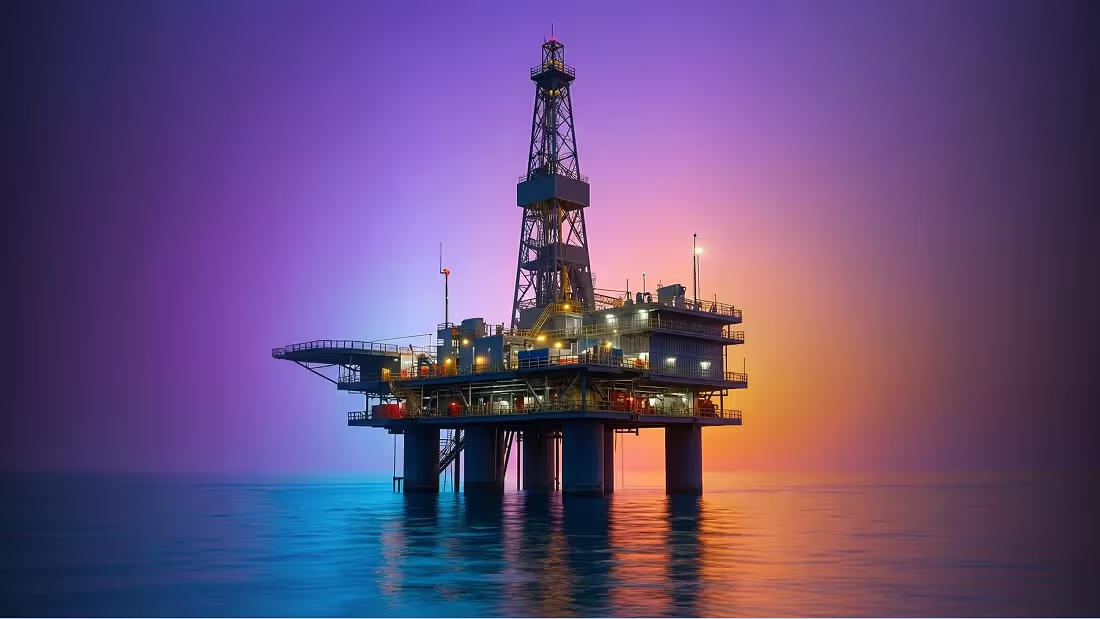
US subsea technology corporation monitoring drilling platforms
A multinational US-based corporation operating globally, developing advanced solutions for offshore and subsea environments where system reliability and operational safety are critical.
The client manages complex infrastructure composed of thousands of interconnected components, all generating continuous streams of data that must be monitored and analyzed in real time.
Why subsea sensor data volumes hid early anomalies
Monitoring subsea drilling platforms involves processing vast amounts of data generated by sensors across highly complex and interdependent systems.
Each component contributes to an ecosystem where even small deviations can lead to serious operational risks, making early detection of anomalies essential.
At the same time, the sheer volume and velocity of data made it difficult to store, process, and interpret information in a way that supports real-time decision-making. Without a structured approach, valuable signals could be lost in noise, limiting the ability to detect failures before they occur and reducing overall system reliability.
Requirements for real-time anomaly detection on thousands of sensors
To improve operational control and reduce risk, the system needed to:
- collect and process data from thousands of sensors in real time
- identify anomalies and deviations from normal behavior
- generate alerts, advisories, and actionable insights
- support forecasting and predictive maintenance scenarios
- enable flexible configuration and extension of analytical models
The goal was to transform raw data into meaningful insights that support proactive decision-making.
Predictive maintenance platform for subsea drilling data
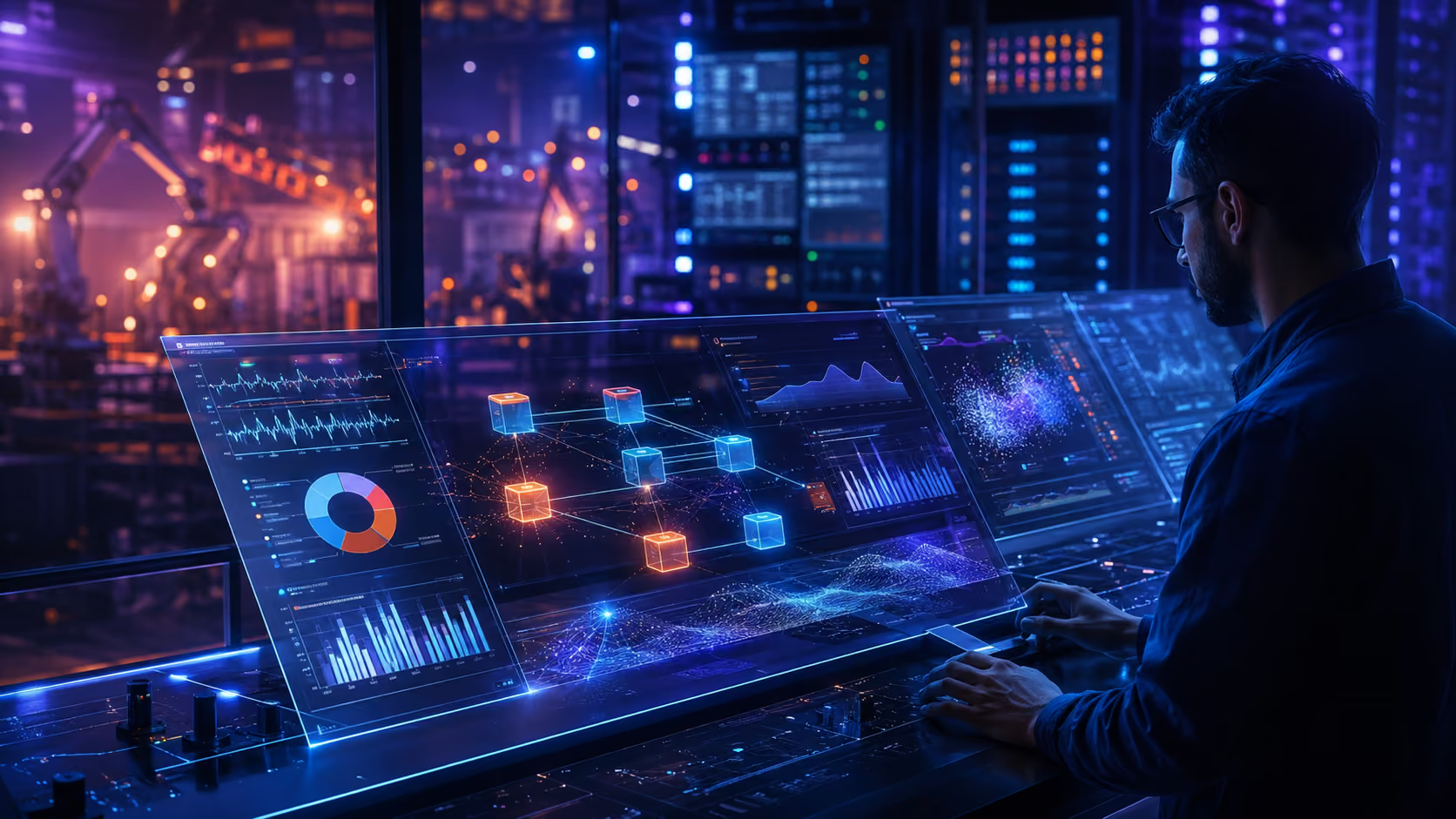
A predictive maintenance platform was developed to process, analyze, and interpret data from distributed system components, enabling early detection of anomalies and supporting proactive maintenance strategies. Instead of treating data as isolated signals, the system organizes and analyzes it in context, allowing patterns and irregularities to be identified more effectively.
The platform combines data processing, analytics, and expert system logic to generate alerts and recommendations, helping users respond to potential issues before they escalate. At the same time, the system is designed to be flexible, allowing users to configure monitoring parameters and extend analytical capabilities based on their specific operational needs.
Technology stack:
- Python for data processing and analytics
- Cloud technologies for scalable data storage and processing
How sensor streams are analyzed and turned into alerts
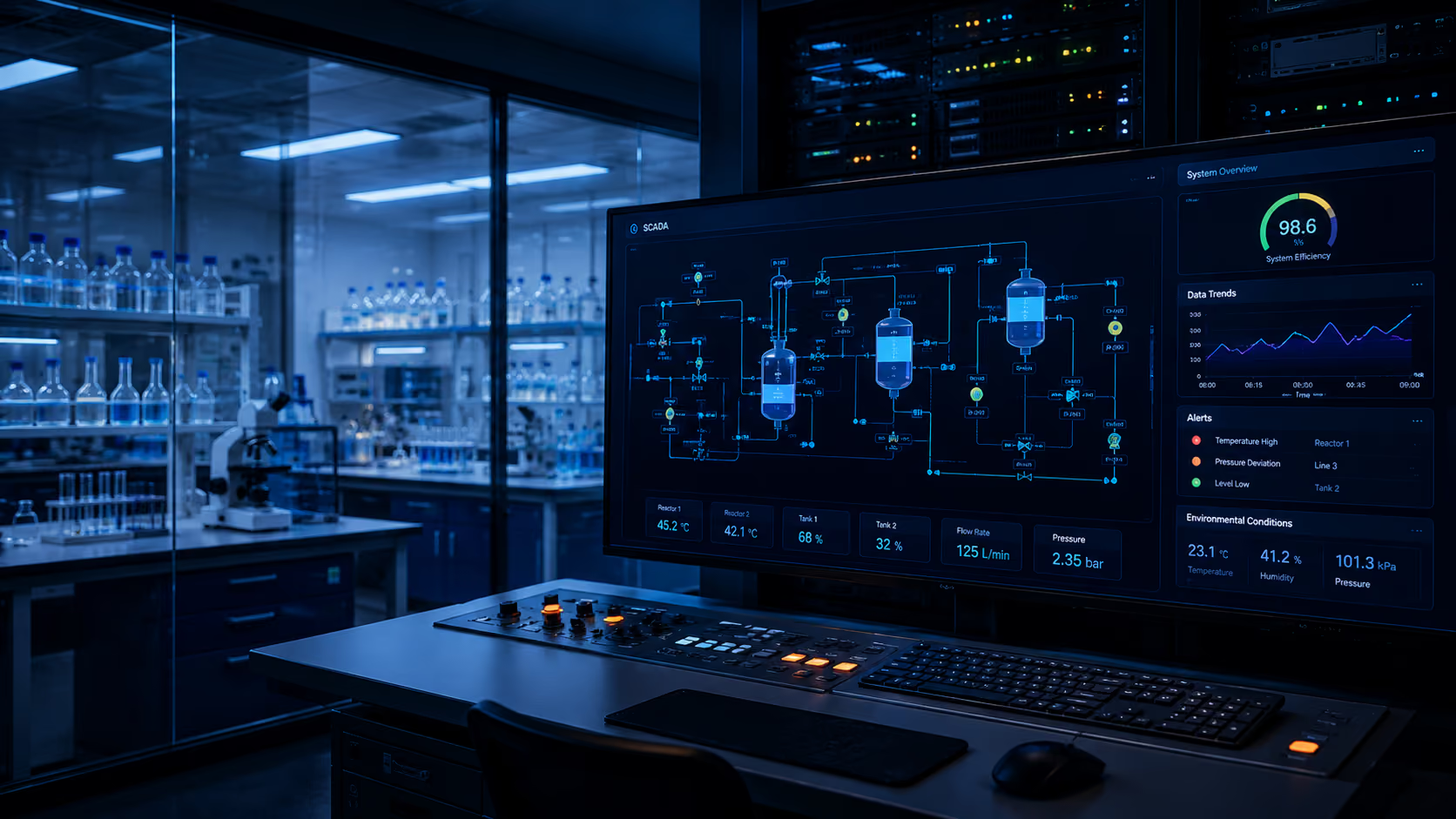
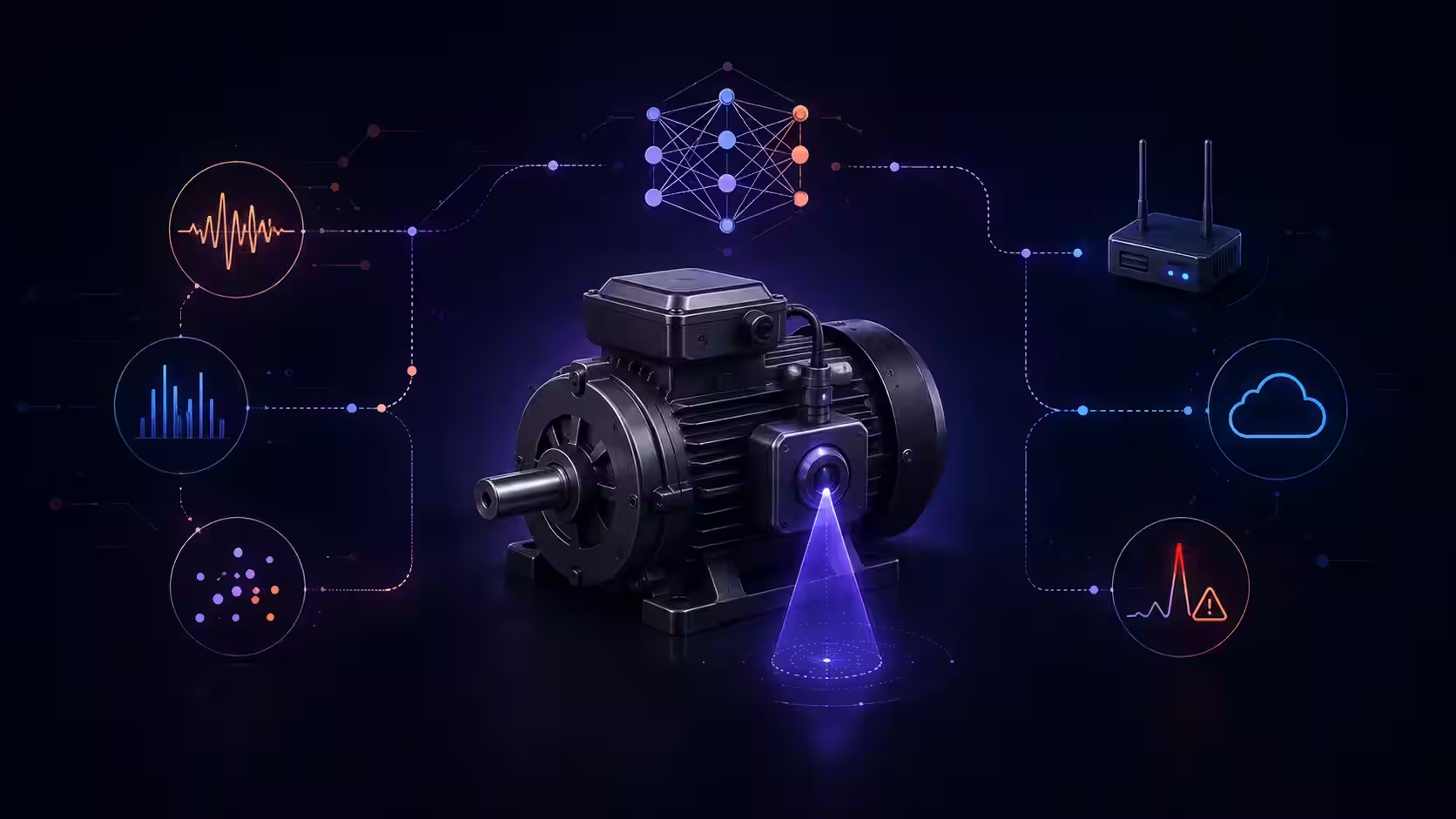
Data is continuously collected from sensors placed across critical components and processed in parallel time intervals, ensuring that information is analyzed as it is generated. The system evaluates incoming data streams to detect anomalies, identify trends, and generate alerts when deviations occur.
By combining real-time monitoring with historical data analysis, the platform supports both immediate response and long-term forecasting. Users can interact with the system to adjust configurations, refine analyses, and tailor outputs to their operational context, making the platform adaptable to different use cases.
Key capabilities:
- Real-time data collection from distributed sensor networks
- Parallel processing of high-volume data streams
- Anomaly detection and alert generation
- Predictive analytics for maintenance planning
- Configurable monitoring and analysis parameters
- Support for both cloud and on-premise deployment
From reactive to predictive maintenance offshore
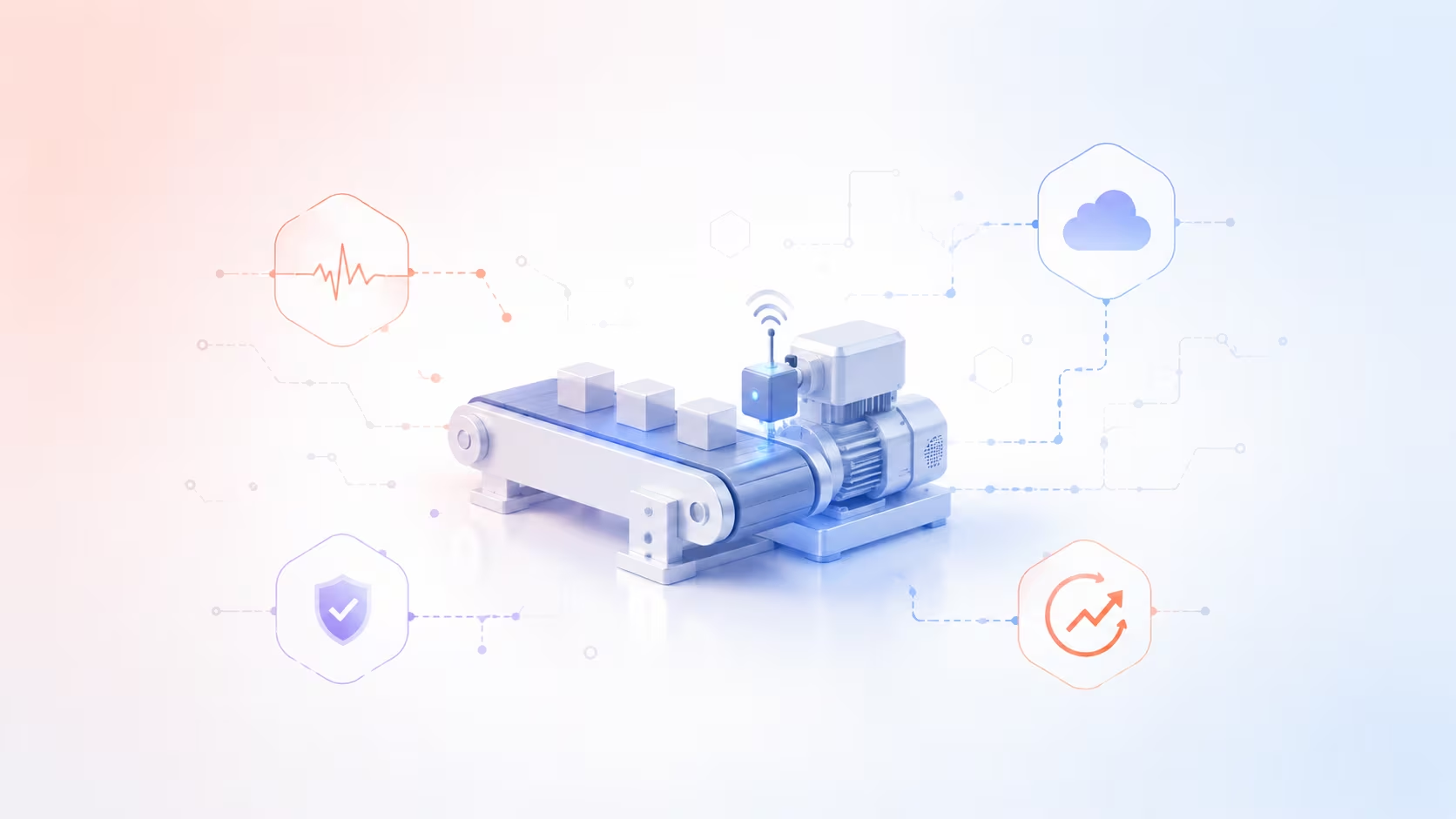
The platform improved visibility into system behavior, enabling teams to monitor complex environments more effectively and respond to issues before they impact operations. By shifting from reactive to predictive maintenance, the system reduces uncertainty and improves operational stability in high-risk environments.
Results: earlier anomaly detection and proactive maintenance
The platform delivered improvements across key areas:
- Early detection of anomalies, reducing risk of failure
- Improved system reliability, in complex subsea environments
- Proactive maintenance planning, reducing downtime
- Better decision-making, based on real-time and historical data
- Scalable analytics capabilities, supporting system growth
The platform continues to evolve with the integration of advanced machine learning and AI capabilities, further improving prediction accuracy and expanding analytical capabilities. Ongoing collaboration supports continuous enhancement of the system, ensuring it remains aligned with operational needs and technological advancements.
Frequently asked questions
Can a predictive maintenance platform process data from thousands of subsea sensors in real time?
Yes, through parallel processing of high-volume data streams. Data from sensors across critical subsea drilling components is processed in parallel time intervals, so information is analyzed as it is generated. In this project, InTechHouse built the platform in Python with cloud technologies for scalable storage and processing, combining real-time monitoring with historical data analysis to support forecasting.
How does a subsea drilling monitoring system turn anomalies into actionable alerts?
Expert system logic combined with analytics turns detected anomalies into alerts and recommendations. The subsea monitoring system analyzes data in context rather than as isolated signals, identifies trends and deviations from normal behavior, and generates alerts, advisories, and actionable insights. In this project, InTechHouse also made monitoring parameters configurable so users can adjust analyses for their own operational context.
Can a subsea predictive maintenance platform run on-premise instead of in the cloud?
Yes, the subsea predictive maintenance platform supports both cloud and on-premise deployment. Users can also configure monitoring parameters and extend analytical models based on their specific operational needs. In this project, InTechHouse built the system for a US-based subsea technology corporation, and the platform continues to evolve with the integration of advanced machine learning and AI capabilities.
We’ll review your goals, technical constraints, and opportunities to design a solution that fits your organization.
Planning a predictive maintenance or anomaly detection project? Our team can help connect your sensor data, build the models, and run them in production.